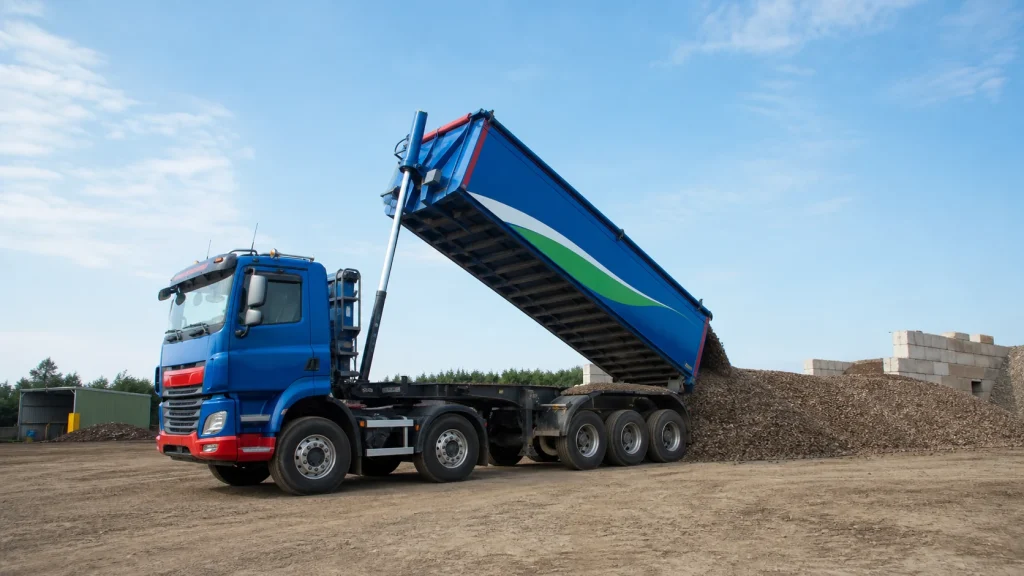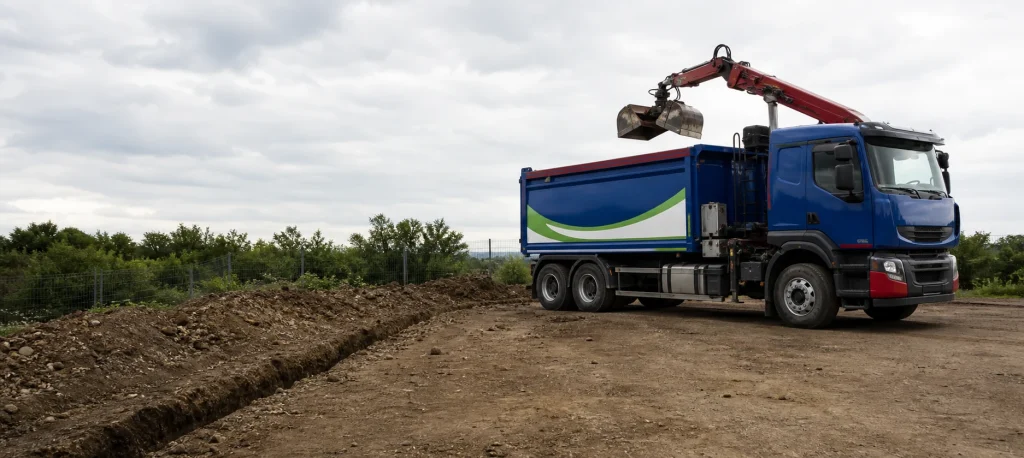

Site waste does not always have to be treated as something with no further use. When suitable rubble, concrete, brick and hard inert materials are handled properly, they can become a valuable source of recycled aggregate.
The process is practical, methodical and rooted in good site discipline. From careful collection to sorting, crushing and stockpiling, each stage helps turn waste from construction and clearance work into usable material for future projects.
What counts as suitable site waste for aggregate recycling
Recycled aggregate production begins before material reaches a recycling yard. The most useful loads are usually made up of hard inert waste, such as concrete, brick, blockwork, stone, hardcore and certain demolition arisings. These materials have the physical strength and structure needed for processing.
Mixed site waste can still be managed responsibly, but the more contamination there is in a load, the more work is needed before any useful aggregate can be recovered. Timber, plastics, plasterboard, insulation, soil, packaging and general rubbish all need to be removed from recyclable hard materials where possible.
This is why segregation on site matters. Keeping hard inert waste separate from general waste gives the recycling process a better starting point and reduces unnecessary handling. If you are planning clearance work, Birmingham Grab Hire has a useful guide on how segregating construction waste speeds up site clearance.
Not every material is suitable for every recycled aggregate use, and a professional yard will assess what has arrived before deciding how it should be handled. The goal is not to force every load through the same route. It is to recover what can be recovered responsibly and keep unsuitable material out of the finished product.
How waste is received and checked at the yard

Once waste reaches a recycling facility, the first step is inspection. Loads are checked so that the yard understands what has been brought in, how clean the material is and whether it contains anything that should not go through the aggregate process.
This check is important for quality as well as compliance. A load that is mostly concrete and brick may be suitable for processing, while a load with heavy contamination may need extra sorting first. Waste paperwork, tipping arrangements and site procedures all help create a clear record of what has entered the facility.
After inspection, material is usually tipped into a designated area. The yard can then separate it by type, condition or next processing stage. Large pieces may be set aside for breaking down, while cleaner hard materials can move towards crushing and screening.
This stage might look simple from the outside, but it is one of the most important parts of the process. Good control at the receiving stage protects the quality of the final aggregate and helps prevent avoidable problems later. For contractors who want waste handled through a responsible route, Birmingham Grab Hire’s recycling service explains how reusable materials can be diverted from disposal where suitable.
Sorting, picking and removing contamination

Before crushing takes place, the material often needs further sorting. This can involve mechanical separation, hand picking, magnets and visual checks, depending on the setup of the facility and the nature of the load.
The purpose is straightforward. Anything that does not belong in the aggregate stream should be removed. This may include timber, metal, plastic, cable, packaging, insulation, plaster based material or general rubbish. Some items can be sent into other recycling routes, while others may need separate disposal.
Metal is a common example. Reinforced concrete may contain steel, and mixed demolition waste can include fixings or fragments. Magnets can help remove ferrous metal during processing, which protects machinery and improves the cleanliness of the finished aggregate.
Sorting also helps with consistency. Clean hard material produces a more reliable recycled product than material that is heavily mixed with soft waste or contaminants. For site teams, this is where early planning pays off. If recyclable waste is kept separate at the point of production, the yard can process it more efficiently and recover more value from the load.
Crushing material into reusable aggregate
Crushing is the stage where large pieces of suitable hard waste are reduced into smaller aggregate. Concrete slabs, brickwork, blocks and hardcore can be fed into specialist equipment that breaks the material down through controlled mechanical force.
The exact equipment used can vary from one facility to another, but the principle is the same. Oversized material is reduced into more manageable pieces, then moved on for further separation and screening. Any remaining metal may be removed during or after crushing, depending on the process.
The aim is not simply to smash material as quickly as possible. The yard needs to produce a usable output while protecting the machinery, managing dust and keeping unwanted material out of the finished stock. Operators monitor the feed, remove problem items and make adjustments where needed.
Crushing turns waste into a material that can be handled, moved and reused much more easily. It is the central link between site clearance and recycled aggregate supply. Without this stage, heavy inert waste would remain awkward, bulky and far less useful.
Screening and separating finished outputs

After crushing, the material usually passes through screening equipment. Screening separates particles into different output streams so that the yard can manage stockpiles according to intended use and material characteristics.
The key point is that screened recycled aggregate is more organised and usable than unsorted crushed waste. Different outputs can be stockpiled separately, helping customers source suitable materials for appropriate applications.
Some facilities may also use additional processes to remove fine material, light contamination or remaining unwanted fragments. The level of processing depends on the material, the equipment available and the standard required for the intended recycled product.
Once screened, the aggregate is moved into stockpiles. These piles need to be managed carefully so clean processed material does not become mixed with incoming waste or unsuitable material. Clear yard layout, controlled loading and sensible stock rotation all support a better final product.
If you are sourcing material for a project, the aggregates service is the natural next step for understanding supply options.
Why recycled aggregate supports better site waste management
Recycled aggregate production is valuable because it connects two common site needs. One project has hard waste to remove, while another needs usable aggregate. Recycling helps close that gap by recovering material that still has practical value.
There are several benefits for contractors, landscapers, developers and property owners. Recycling can reduce the amount of suitable material sent away for disposal, support more responsible waste handling and make better use of resources already generated by construction, demolition and groundworks activity.
It can also simplify planning. When you know that suitable hard waste may be recoverable, you can think earlier about segregation, access, load types and removal methods. That makes site clearance feel more controlled and helps avoid mixing valuable recyclable material with general rubbish.
Cost control is another reason to think carefully about waste routes. Every project is different, but reducing unnecessary handling and keeping waste streams organised can make a real difference to how smoothly the job runs. For wider planning guidance, see Birmingham Grab Hire’s advice on how to save money on large waste removal jobs.
The most important point is simple. Recycled aggregate is not created by accident. It depends on good site habits, responsible transport, careful yard processing and clear separation from unsuitable waste.
- Suitable hard inert waste, such as concrete, brick, stone and hardcore, can often be processed into recycled aggregate.
- Cleaner, better separated loads give recycling yards a stronger starting point and help protect final material quality.
- The usual process includes inspection, sorting, contamination removal, crushing, screening and careful stockpiling.
- Recycled aggregate production links site clearance with future material supply, helping recover value from waste.
- Early planning on site makes recycling simpler, especially when hard waste is kept separate from general rubbish.
Frequently asked questions
Can all site waste be turned into recycled aggregate?
No. Recycled aggregate is generally produced from suitable hard inert materials such as concrete, brick, stone and hardcore. Mixed rubbish, soft waste and contaminated loads need sorting, and some materials are not suitable for aggregate production.
Why does waste segregation matter before collection?
Segregation keeps recyclable hard waste away from general rubbish. This gives the recycling yard cleaner material to work with, reduces unnecessary sorting and improves the chance that more of the load can be recovered.
What happens to metal found in concrete or rubble?
Metal is usually removed during sorting or processing. Magnets and picking procedures can help separate ferrous metal from crushed material, protecting equipment and improving the finished aggregate stream.
Is recycled aggregate suitable for every project?
No single material is right for every use. Recycled aggregate can be very useful, but the correct choice depends on the job, specification and ground conditions. A supplier can explain available options without replacing project specific technical advice.
Plan a cleaner route for site waste
If you have suitable hard waste to clear, Birmingham Grab Hire can help you plan a practical recycling route and discuss aggregate supply where it fits the job.