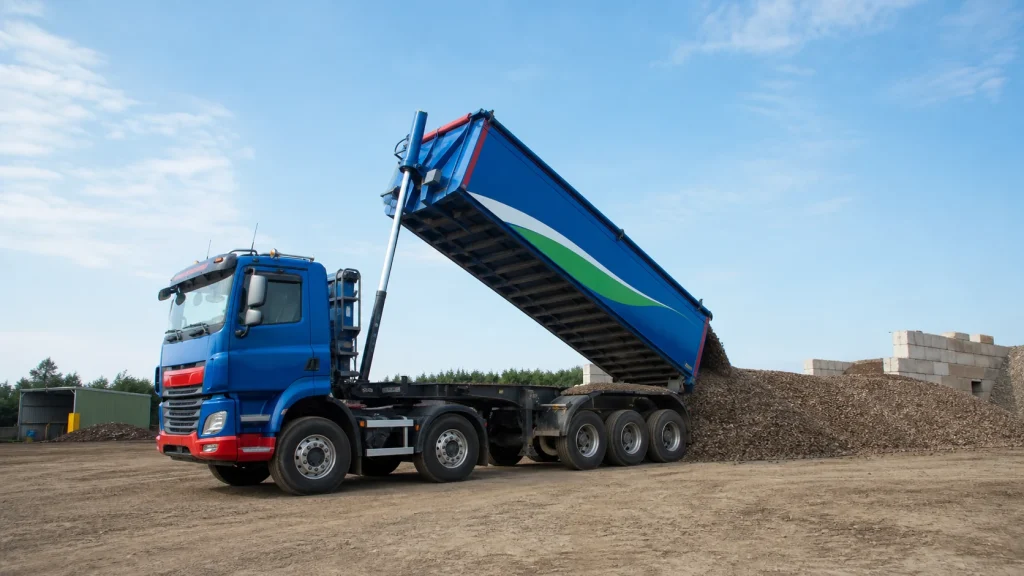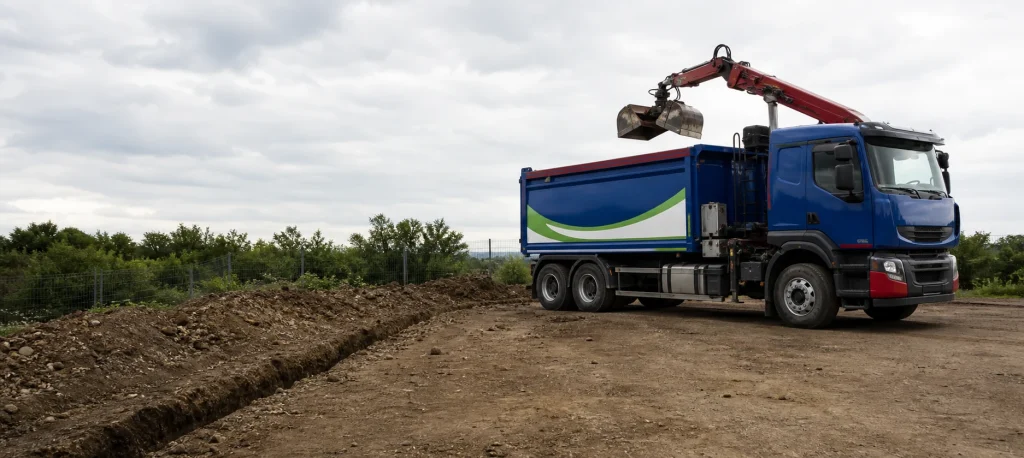

Waste rarely becomes a problem all at once. It builds up around access routes, loading areas, plots, trenches and compounds until the site feels harder to move around than it should.
Out of hours waste removal helps teams clear bulky material outside the main working window, so the next shift can start with better access, clearer working space and fewer avoidable interruptions.
Why waste clearance timing matters on active sites

On a busy site, timing is often as important as the clearance itself. Soil, rubble, hardcore, mixed construction waste, green waste and loose aggregates all take up space. If they sit in the wrong place during working hours, they can affect deliveries, plant movement, pedestrian routes and trade sequencing.
Daytime clearance is useful in many situations, but it is not always the best fit. Some sites have narrow access, shared yards, strict delivery windows or several trades working in the same area. Bringing a vehicle in at the busiest point of the day can add pressure to a site that is already moving quickly.
Out of hours collections give site teams another option. Waste can be removed before the main working day begins, after trades have finished, or during a quieter access window agreed in advance. The goal is simple: remove the material when it causes the least disruption.
This can be especially helpful where waste is linked to phased work. A team may need spoil removed after excavation, rubble cleared before the next trade arrives, or aggregate space freed before fresh material is delivered. Planning clearance around the sequence of work keeps the site moving without turning waste removal into the centre of the day.
How out of hours grab hire supports a smoother working day

Grab hire is well suited to out of hours clearance because it can remove loose waste without relying on extensive manual loading. Where access allows, the vehicle can reach the material, load directly and leave the site with minimal handling from the project team.
That matters because waste piles often appear in places chosen for convenience rather than ideal logistics. A pile may be near a gate, beside a trench, close to a compound or tucked into a corner until there is time to deal with it. If it remains there during the working day, it can reduce usable space and make simple tasks take longer.
Arranging out of hours grab hire allows clearance to happen during quieter periods, which helps reduce the chance of vehicles competing with trades, deliveries or site movements. It also helps teams begin the day with a cleaner layout rather than spending the first hour working around yesterday’s waste.
This is not about treating every job as urgent. It is about matching clearance to the practical rhythm of the site. A planned evening collection can be just as valuable as a same day response when the key issue is making sure the next working window starts cleanly.
Common site problems that quieter clearance windows can reduce
Out of hours waste removal can help with several everyday site pressures. One of the most common is restricted access. If a waste pile is close to a gate, roadway or loading point, it may not stop work entirely, but it can slow everything down. Vehicles may need extra banksman support, deliveries may take longer to unload, and teams may lose time moving around the obstruction.
Another common issue is limited storage space. Many sites cannot keep separate piles of soil, rubble, green waste and mixed construction waste for long. When space is tight, material can start to spread into working areas. This makes segregation harder and increases the risk of clean material being mixed with waste that needs different handling.
There is also the question of trade handover. One team may finish breaking out concrete, digging foundations or clearing vegetation late in the day. The next team may need that same area clear first thing. If waste remains in place, the following task can start slowly or be forced to work around the pile.
For projects producing mixed building debris, a planned approach to construction waste removal can help keep the working area usable throughout the job. Where different waste streams are involved, it is also worth thinking ahead about how material will be separated before collection.
What to plan before booking an out of hours collection

A good out of hours collection starts with clear information. The more accurately the waste type, access and loading position are described, the easier it is to plan a sensible visit.
Start with the material. Is it soil, clay, hardcore, rubble, mixed construction waste, green waste or loose aggregate? Is it clean and separate, or has it become mixed? Waste type affects how the job is handled, where the material goes and whether more than one collection may be sensible.
Next, think about the loading position. A grab lorry needs suitable access and enough room to work. The material should be placed where it can be reached safely and efficiently, without blocking routes that still need to be used. If the site is active outside normal hours, it is important to think about lighting, supervision, gate access and any site rules that apply.
It is also worth preparing the site before the vehicle arrives. Keeping waste tidy, separate and reachable can make clearance more efficient. The guide on segregating construction waste before clearance explains why separating material early can make removal simpler and support better recycling outcomes.
Finally, be realistic about what needs to be cleared in one visit. If the job involves several material types or access changes during the evening, it may be better to plan the order of clearance rather than assume everything should happen at once.
When same day needs and out of hours planning overlap
Same day grab hire is often needed because of a practical problem: waste is in the way, a delivery is due, a trench needs backfilling, or an area must be handed over. That does not always mean the job is an emergency. More often, it means the buyer needs a fast, clear route to getting space back under control.
Out of hours waste removal fits that need because it gives site managers another workable window. If the normal day is already full, a later collection may solve the access problem without adding more movement to peak site hours. If the next morning is the important deadline, clearing waste the evening before may be the most practical answer.
The same thinking applies to cost control. Waste that is badly placed, mixed unnecessarily or allowed to spread can make site management harder. Planning collections around the work sequence can help avoid repeated disruption. For larger projects, the advice in saving money on large waste removal jobs is useful because it focuses on preparation, loading efficiency and avoiding avoidable handling.
The key is to decide what problem the collection needs to solve. Is it freeing access, clearing a plot, preparing for delivery, removing spoil after excavation, or keeping waste away from active working areas? Once that is clear, the timing becomes easier to plan.
A cleaner start for the next shift

The biggest benefit of out of hours waste removal is often felt the next time the site opens. Teams arrive to clearer routes, better access and fewer piles competing for space. The job still needs normal site planning and sensible supervision, but the working area feels easier to manage from the start.
This can improve the flow of the day. Waste removal does not replace good sequencing, safe storage or clear communication between trades. It supports them. When material is taken away at the right moment, the site has more room to work, load, unload and move.
For contractors, builders, landscapers, groundworkers and utility teams, that can make a real practical difference. The aim is not just to remove waste, but to remove it at a time that respects the rest of the programme.
- Out of hours waste removal helps clear bulky material during quieter site windows.
- Grab hire can reduce manual handling where access and loading conditions are suitable.
- Good preparation includes identifying waste type, keeping material separate and confirming safe access.
- Same day requests often reflect a need to regain working space quickly, not necessarily an emergency.
- Planned clearance can support smoother trade handovers and a cleaner start for the next shift.
Frequently asked questions
Is out of hours waste removal only for urgent jobs?
No. It is often used for planned clearance when the site is quieter outside the main working day. This can help teams avoid adding extra vehicle movement during busy periods.
What types of waste can be removed out of hours?
Common materials include soil, rubble, hardcore, green waste, mixed construction waste and loose aggregates. The exact approach depends on the material, access and whether waste streams are kept separate.
How should a site prepare for an out of hours grab hire visit?
Place waste where it can be reached safely, keep different materials separate where possible, confirm gate access, arrange any required supervision and make sure the loading area is clear.
Can out of hours clearance help before the next trade arrives?
Yes. It can be useful when one phase creates waste that needs removing before another team starts work, especially where space, access or handover timing is tight.
Plan a quieter clearance window
If waste is starting to affect access, handovers or usable space, Birmingham Grab Hire can help you plan a practical out of hours collection that fits around the way your site works.