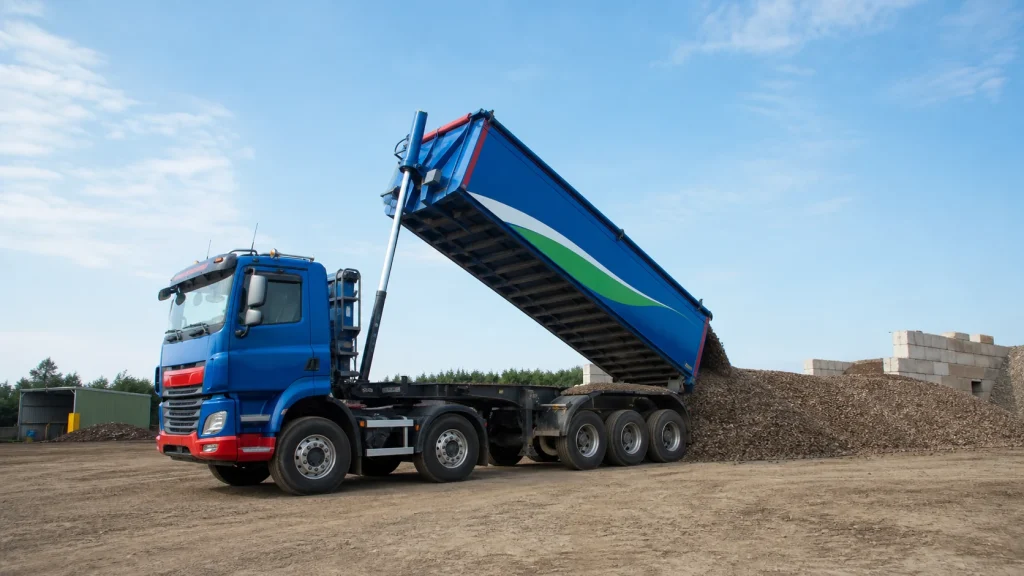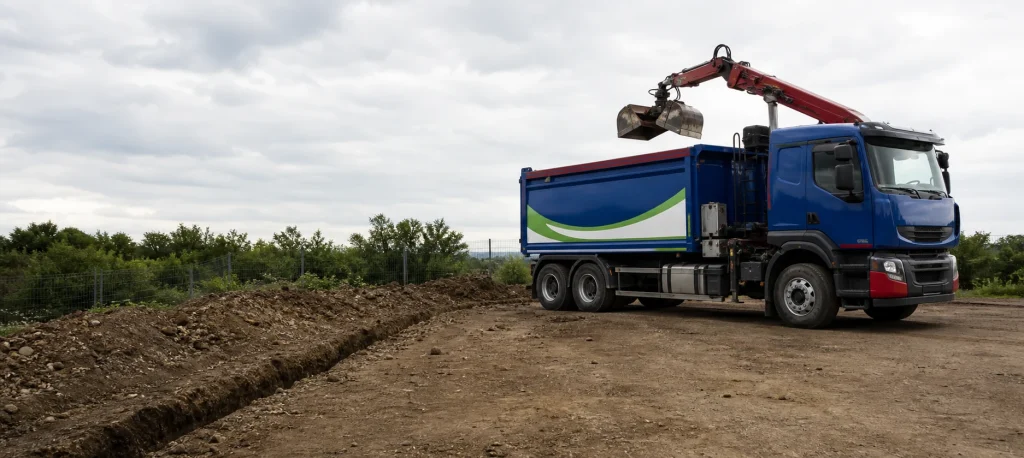

Construction waste clearance is much easier when the site is organised before the lorry arrives. Separating rubble, soil and mixed waste gives the collection team a clearer job, reduces confusion and helps materials move away from site without unnecessary hold ups.
Good segregation is not about making extra work for the sake of it. It is a practical way to keep access routes clear, protect usable materials and make professional construction waste removal more efficient from the first load to the last.
What construction waste segregation means on site

Segregating waste means keeping different material types apart as they are produced. On a busy construction, renovation or clearance job, that usually means separating hardcore, bricks, concrete, clean soil, green waste, timber, packaging and general mixed waste where possible.
The aim is not to create a perfect recycling centre on site. The aim is to avoid one large mixed pile that needs extra sorting later. Even simple separation can make a real difference. A pile of clean rubble is easier to load than rubble mixed with plastic sheeting, timber and food packaging. Soil is easier to assess when it has not been combined with general waste. Reusable aggregates are easier to handle when they have not been contaminated by unsuitable materials.
For smaller sites, segregation might mean keeping three clear areas: inert rubble, soil and mixed waste. For larger sites, it may involve more specific zones and a clear plan for where each trade places waste. The right approach depends on space, access, material volume and the type of work taking place.
The most important point is consistency. If everyone on site understands where waste should go, clearance becomes a smoother process. The grab operator can load confidently, the site manager can see what is ready to move, and the project avoids avoidable delays caused by sorting mixed piles at the last minute.
Why separated materials are faster to load

Grab hire and muck away work best when the material is accessible, visible and ready to collect. When waste is segregated, the operator can often work through each pile in a more logical order. There is less time spent checking what is mixed in, less need to move material around before loading and less risk of unsuitable items being scooped into the wrong load.
Mixed waste creates uncertainty. A pile might look like hardcore on the outside, but contain timber, insulation, packaging or metal inside. That uncertainty slows the job because the load has to be assessed more carefully. If unsuitable materials are discovered during collection, they may need to be separated before the lorry can continue.
Clear separation also helps with vehicle planning. Clean rubble, soil and mixed construction waste may need different handling routes after collection. If the material is already sorted, the clearance provider can plan the right collection method and advise on the most practical order of removal.
Site access matters too. Segregated piles can be placed so the lorry can reach them without unnecessary repositioning. If materials are scattered across the site or buried under other waste, collection becomes less efficient. A clear loading area, with each waste stream kept separate, helps the operator complete the work with fewer interruptions.
If you are unsure what can be collected together, it is worth checking guidance on what a grab lorry can take before the site is ready for clearance. That small step can prevent confusion when the collection is booked.
How segregation supports recycling and recovery

One of the biggest benefits of separating construction waste is that it protects materials that may be suitable for recycling or recovery. Inert materials such as brick, concrete and rubble can often follow a different route from mixed construction waste, provided they have not been contaminated by unsuitable items.
Clean soil is another good example. When soil is kept separate, it can be assessed more easily and handled in a way that suits its condition. If it is mixed with general waste, plasterboard, packaging or other unwanted materials, the options become more limited and the clearance process becomes less straightforward.
Segregation also helps prevent recyclable materials from being spoiled. Timber, metals, aggregates and green waste are all easier to manage when they are not buried in a mixed pile. This is especially useful on phased projects where different types of waste are produced at different stages.
Professional clearance teams are used to handling construction waste, but they can work more efficiently when the site gives them a clean starting point. Keeping waste streams separate makes it easier to direct materials into the most suitable onward process. For businesses that want to understand how waste is handled after leaving site, Birmingham Grab Hire also explains its approach to recycling and material recovery.
This is not only about environmental responsibility. It is also about practical site management. The cleaner the waste stream, the easier it is to move it, process it and keep the project progressing.
The site management benefits are immediate
Waste segregation is often thought of as something that helps after collection, but the benefits start much earlier. A tidy site is easier to work on. Trades can move around more freely, deliveries are easier to manage, and access routes are less likely to become blocked by random waste piles.
Separating waste also makes it easier to see when clearance is needed. A growing pile of rubble or soil is visible and simple to measure in practical terms. A scattered mix of bags, offcuts, spoil and broken materials is harder to judge. That can lead to collections being booked too late, which creates pressure when the site needs space quickly.
Organised waste areas also reduce double handling. If waste is placed in the right location first time, there is less need for labourers or machine operators to move it again before collection. This keeps the site cleaner and helps the clearance team get on with loading rather than rearranging material.
For projects where waste is starting to affect access, productivity or general site order, it may be time to bring in professional help. The warning signs are often easy to spot, and this guide to when professional waste removal is needed is a useful reference for site teams planning their next clearance.
Simple ways to segregate waste without slowing the job

Segregation works best when it is simple enough for everyone on site to follow. Complicated systems are easy to ignore, especially when the site is busy. A practical plan should match the way waste is actually produced.
Start by identifying the main waste streams before work begins. On many jobs, the core categories will be rubble, soil and mixed construction waste. If the project involves stripping out, landscaping or demolition, additional categories may be needed.
Choose collection points that make sense for loading. Piles should be reachable, clear of parked vehicles where possible and placed away from areas that need to stay open. The aim is to make the collection point convenient without creating a new obstruction.
Make the system obvious. Clear instructions to trades and site workers matter more than complicated paperwork. If people know where rubble, soil and mixed waste should go, the plan is more likely to hold up during the working day.
Review the piles before booking clearance. A quick check can identify contamination, awkward access or materials that need special handling. It also gives the clearance provider better information, which helps them recommend the right approach.
- Keep rubble, soil and mixed waste in separate areas wherever site space allows.
- Avoid placing general waste on top of clean hardcore or soil.
- Keep loading areas accessible for the vehicle and operator.
- Tell all trades where each material should go before work starts.
- Check the waste area before booking collection so any issues can be dealt with early.
When professional clearance makes the difference
Even a well organised site still needs the right collection method. Construction waste can be heavy, bulky and awkward to move, especially when large volumes build up quickly. Professional clearance gives the site a practical route for removing material without relying on repeated small loads or unnecessary manual handling.
Grab hire is particularly useful where loose materials are stored in accessible piles. The vehicle can load rubble, soil and other suitable materials directly, which helps keep the site moving. For muck away work, clear separation of spoil and waste makes it easier to plan the collection and reduce delays on arrival.
The best results usually come from combining good site organisation with early communication. Explain what materials you have, how they are separated, where they are placed and whether there are any access restrictions. That allows the clearance provider to give sensible advice and arrive prepared.
Segregation does not need to be perfect to be valuable. It simply needs to make the waste clearer, cleaner and easier to remove. When rubble, soil and mixed waste are kept apart, professional clearance can do what it is meant to do: free up space, support progress and keep the site running smoothly.
- Separating rubble, soil and mixed waste makes construction clearance quicker and easier to plan.
- Clean waste streams are easier to load, assess, recycle and recover where suitable.
- Good waste areas reduce double handling and help keep access routes clear.
- Simple, consistent site rules work better than complicated systems that people ignore.
- Professional grab hire and muck away services work best when materials are ready and accessible.
Frequently asked questions
What are the main types of construction waste to separate?
The most useful starting point is to separate rubble or hardcore, soil and mixed construction waste. Depending on the project, it may also help to keep timber, metals, green waste and packaging apart.
Does all construction waste need to be perfectly sorted before collection?
No. The goal is practical segregation, not perfection. Keeping the main waste streams apart is often enough to make clearance smoother and reduce avoidable sorting on site.
Can mixed construction waste still be collected?
Yes, mixed construction waste can often be collected, but it should be clearly identified. Keeping it separate from clean rubble or soil helps the clearance team plan the right collection and handling route.
When should waste segregation be planned?
It is best to plan it before work starts. Decide where each material will go, keep the loading area accessible and make sure everyone on site understands the system.
Need construction waste cleared?
Birmingham Grab Hire can help remove construction waste, rubble, soil and mixed materials from organised sites with practical, reliable clearance support.