
Soil is not just soil when you are arranging muck away. The type of material coming out of the ground can affect how it is loaded, how it should be described, how the collection is planned and what information your provider needs before a grab lorry arrives.
Understanding the basics helps you book the right service with fewer surprises. Whether you are clearing excavation spoil, trench arisings, garden ground, rubble mixed with soil or heavier wet material, soil type gives the muck away team a clearer picture of the job before they reach site.
Why soil type affects muck away planning

Muck away is built around moving loose material efficiently, but not every load behaves the same. Dry, clean subsoil can usually be handled very differently from wet clay, compacted spoil, rubble rich arisings or mixed made ground. The grab lorry, loading space, site access and collection timing all work better when the material is described accurately at the booking stage.
A good starting point is to tell the provider what has been excavated, where it came from on the site and whether anything else is mixed through it. That might include hardcore, concrete, brick, roots, turf, tarmac, pipe fragments, plastic, timber or general waste. If the material is mostly soil, say what kind of soil it appears to be and whether it is clean, wet, sticky, stony or mixed.
This matters because soil type can influence how easy the load is to grab, how it will sit in a pile and how heavy it may be once loaded. A small pile of saturated clay can be much heavier than it looks. A larger pile of dry sandy soil may be easier to load but can spread out and need more space. The better the description, the easier it is to plan the collection sensibly.
If you are arranging a collection for a project and want the service overview first, Birmingham Grab Hire explains its muck away service for excavation spoil and site clearance in more detail.
Clean soil, subsoil and inert excavation spoil
Clean soil and subsoil are among the most straightforward materials to discuss when arranging muck away, provided they are genuinely free from unwanted contamination and excessive mixed waste. These loads often come from foundation digs, landscaping, ground reduction, driveway preparation, trenching or site levelling.
When describing clean soil, it helps to be specific. Topsoil, clay subsoil, sandy soil and stony excavation spoil are not identical. Topsoil can contain roots, turf and organic material. Clay can hold water and bind together. Sandy soil can run or slump if the pile is not contained. Stony spoil may include small rocks or broken hardcore from previous ground preparation.
For planning, the key question is whether the soil is separate from other materials. A pile that is mostly soil but contains loose rubble, old bricks and concrete chunks should not be described as clean soil without explanation. That does not mean it cannot be collected, but it does affect how the load is assessed and what the grab hire provider expects to find.
Keeping soil separate during excavation is often the simplest way to make muck away smoother. If clean spoil, hardcore and general waste are all placed in one heap, the collection becomes less predictable. Separate piles make it easier for the operator to load the right material, avoid rejected items and keep the job moving.
Clay, wet soil and heavy spoil

Clay and wet spoil deserve special attention because they can be dense, sticky and awkward to estimate by appearance alone. Rain, groundwater and site conditions can all change how the material behaves. Soil that looked manageable when first excavated can become heavier and harder to handle if it sits exposed during bad weather.
Wet clay can cling together in lumps, making the grab work differently from loose dry spoil. It may also stick to surfaces, reduce neatness around the loading area and take longer to clear if the pile is compacted. None of this is unusual, but it is useful information for the person arranging collection.
If you know the material is wet, say so. If the ground has been excavated from a trench, footing or low lying area, mention that too. The provider may ask about the approximate volume, how accessible the pile is and whether the lorry can stand close enough for the grab arm to reach safely.
Heavy spoil also makes load estimation more important. A pile can fill the available carrying capacity before the visual volume looks especially large. This is one reason clear communication matters. It allows the provider to advise on how the work should be staged, whether more than one load may be needed and how best to position the material for collection.
Mixed ground, rubble and made up material

Many sites contain made up ground, especially where previous construction, surfacing or landscaping has taken place. Made up material can include soil mixed with brick, concrete, stone, ash, ceramic, old service fragments or other buried items. From a distance it may look like normal spoil, but once excavated it can be much more varied.
Mixed ground is common and can still be suitable for grab lorry collection, but it should be described properly. The most useful details are what the material contains, whether any pieces are oversized and whether there is any general waste in the heap. The operator needs to know if the load includes bulky concrete, sharp metal, timber, plastic, bags, insulation, plasterboard or anything that may need different handling.
If you are unsure what can be placed in a grab load, the guide on what a grab lorry can take is a useful reference before you book.
Made up ground can also affect access and loading. Loose rubble mixed with soil may form uneven piles. Large chunks can roll or sit awkwardly. Fine material can fall away while heavier pieces remain. A clear, level loading area and separate heaps make the job easier, especially where space is limited.
Utility trenches, services and narrow excavation spoil
Trench spoil often has its own planning needs because it may come from a narrow working area with limited storage space. The material might be clean subsoil, wet clay, granular backfill, old surfacing material or a mix of several layers. It may also be produced steadily as work progresses rather than all at once.
For utility and service works, timing can be as important as the material itself. Spoil left too close to an excavation can get in the way of access, plant movement and reinstatement. If collection is planned around the pace of digging, the site can stay clearer and the team can keep working without unnecessary double handling.
When booking muck away for trench work, mention whether the spoil is already piled, still being excavated or likely to be produced in stages. Also explain whether the lorry can pull alongside the working area or whether the material needs placing in a reachable collection point. The grab arm can remove material efficiently, but it still needs a sensible position, clear overhead space and safe access.
For more detail on this kind of work, Birmingham Grab Hire has a practical guide to clearing utility trench spoil with grab hire.
What to tell your muck away provider before collection

You do not need to be a ground engineer to book muck away well. You simply need to describe the load honestly and give enough site detail for sensible planning. Photographs can help, but the written description still matters because it explains what the material is, where it came from and how the lorry will reach it.
Useful information includes the type of soil, whether it is wet or dry, whether it is clean or mixed, the approximate amount, the pile location, access restrictions and any known contaminants or excluded materials. If the soil has come from an area with previous surfacing, old buildings, storage, fuel, chemicals or unusual odours, say so before collection is arranged.
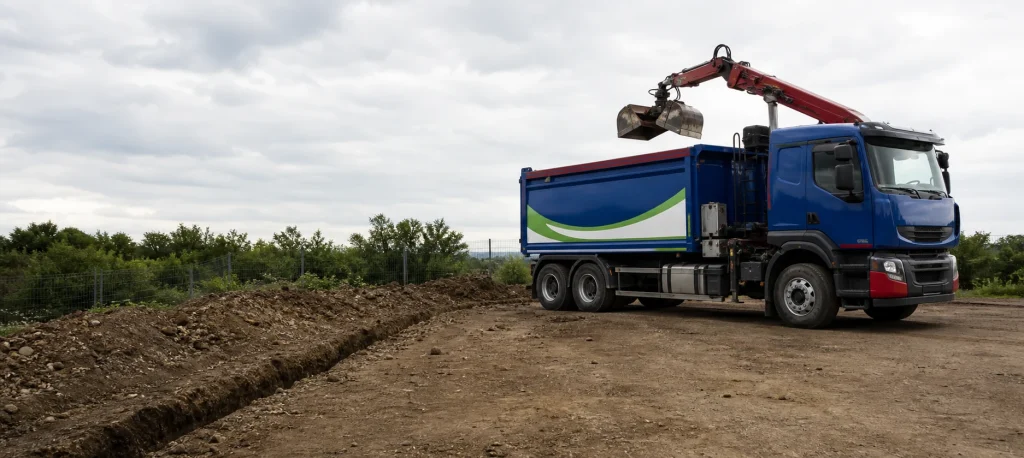
It also helps to think about the loading area. The grab lorry needs a suitable place to stop, enough room to operate safely and a reachable pile. Material should not be tucked behind obstacles, under low branches, beneath cables or in a place where parked vehicles block access. Where possible, keep the heap close to the collection point and avoid spreading it too thinly across the ground.
If the site also needs incoming material, such as stone or other loose products for the next stage of work, it may be worth looking at aggregate supply options while planning the muck away. Coordinating outgoing spoil and incoming material can make the working area easier to manage.
- Describe the soil type clearly. Say whether it is clay, sandy soil, topsoil, stony spoil, wet material or mixed ground.
- Explain what else is in the heap. Mention rubble, concrete, brick, roots, turf, metal, timber, plastic or general waste.
- Keep materials separate where possible. Separate piles are easier to assess, load and manage.
- Check access before booking. The lorry needs a safe stopping point and enough room for the grab arm to work.
- Flag anything unusual early. Odours, staining, buried waste or suspected contamination should be discussed before collection.
- Soil type affects how excavation spoil is described, loaded and planned for muck away collection.
- Wet clay and heavy spoil can be harder to estimate by sight, so clear information helps avoid confusion.
- Clean soil, mixed ground, rubble rich spoil and trench arisings should be described differently when booking.
- Separating soil from rubble and general waste usually makes collection simpler and more predictable.
- Good access, safe pile placement and honest load details help the grab lorry operator work efficiently.
Frequently asked questions
Does soil type change how I should book muck away?
Yes. Soil type helps the provider understand the likely weight, texture, loading conditions and whether the material is clean or mixed. You do not need technical soil testing for ordinary enquiries, but you should describe the material as accurately as you can.
Can wet clay be removed by grab lorry?
Wet clay can often be collected by grab lorry, but it should be mentioned when booking because it can be heavy, sticky and harder to judge by volume. The provider may ask extra questions about access, pile size and where the lorry can stand.
What if my soil is mixed with rubble?
Tell the provider what is mixed through the soil. Brick, concrete, stone and hardcore may be acceptable in many muck away jobs, but general waste, timber, plastics, plasterboard or unusual materials need to be discussed before collection.
Should I keep different spoil types in separate piles?
Yes, where practical. Keeping clean soil, rubble, hardcore and general waste separate makes the load easier to assess and collect. It also helps the operator avoid unwanted material being grabbed by mistake.
Need help planning a muck away collection?
Tell Birmingham Grab Hire what you are digging out, how the spoil is stored and what access is like. The team can help you arrange a straightforward grab lorry collection for your site.