What Can and Can’t Be Taken by A Grab Lorry
A practical guide to the types of waste a grab lorry can collect, what may need separate handling, and how to prepare for a smooth collection.
When people book waste removal, one of the first questions is usually a simple one: what can a grab lorry actually take? It is a fair question, because not all waste is treated the same. Some materials can be collected quickly and efficiently in one visit, while others need separate disposal or specialist handling. Knowing the difference before booking helps avoid delays, confusion, and wasted time on site.
Whether you are clearing a driveway, stripping out a garden, dealing with excavation spoil, or tidying a building site, grab hire is often one of the easiest ways to remove large volumes of waste. The key is understanding which materials are suitable for collection and which need a different approach.
 What Is a Grab Lorry Used For?
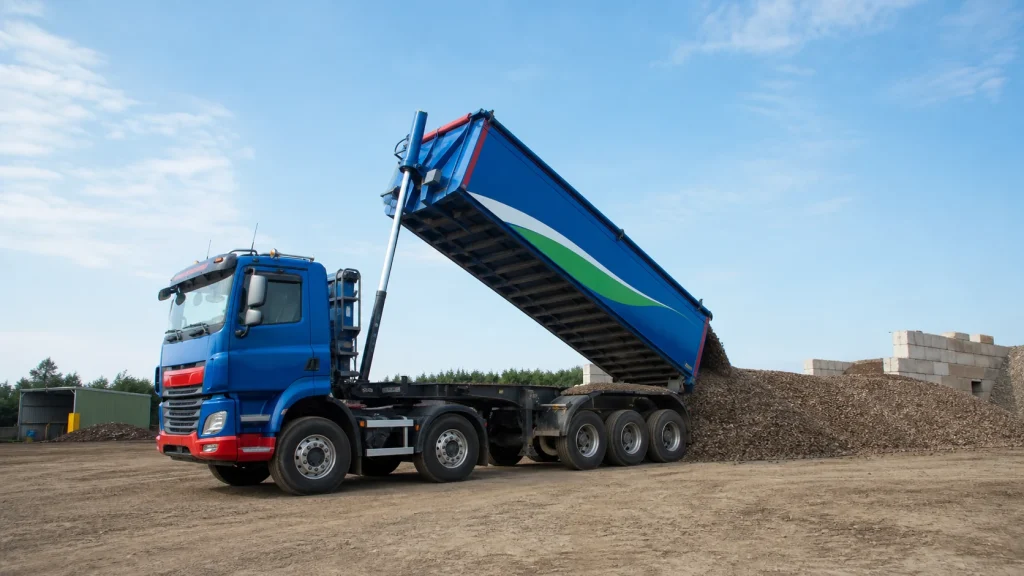
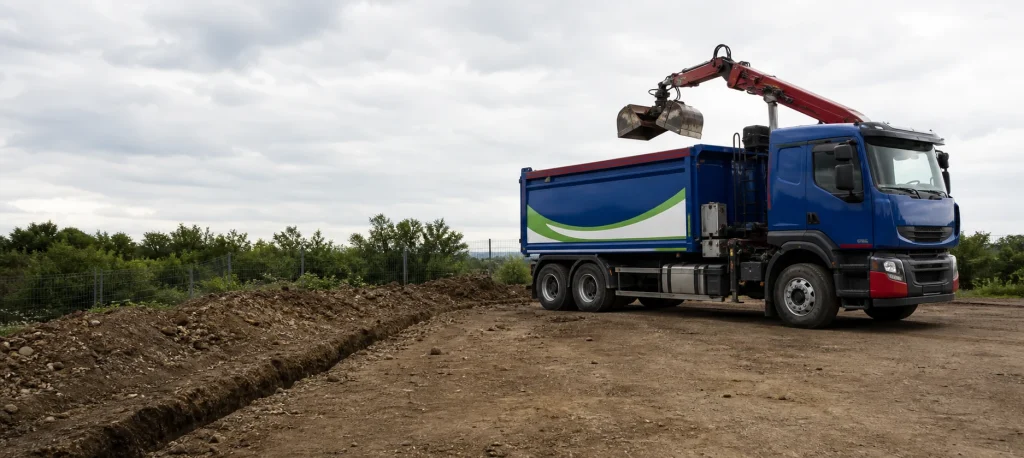
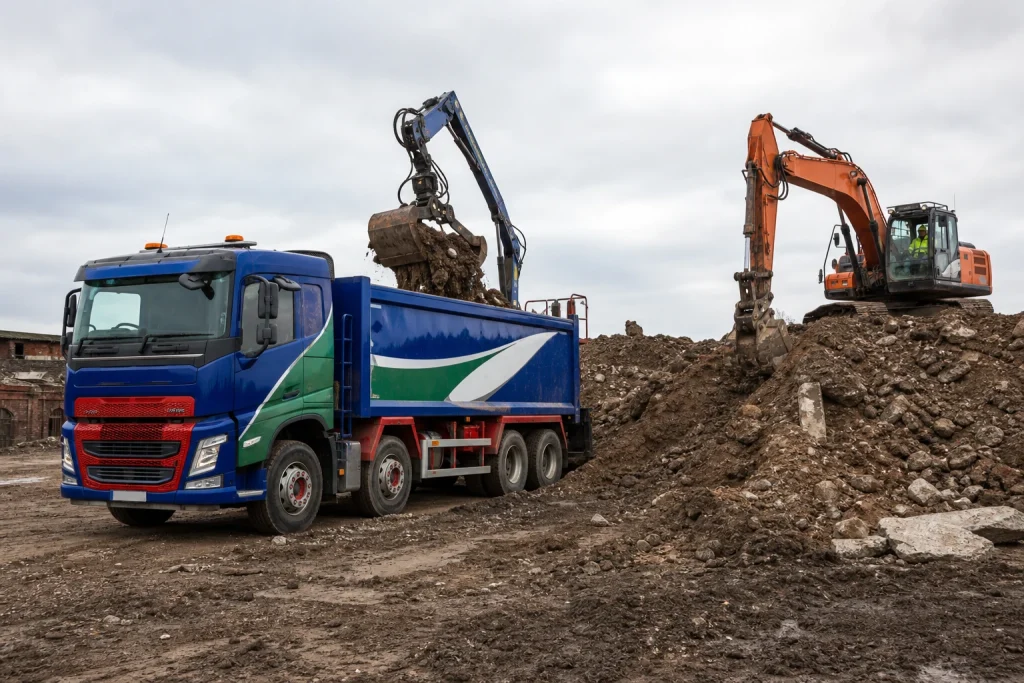
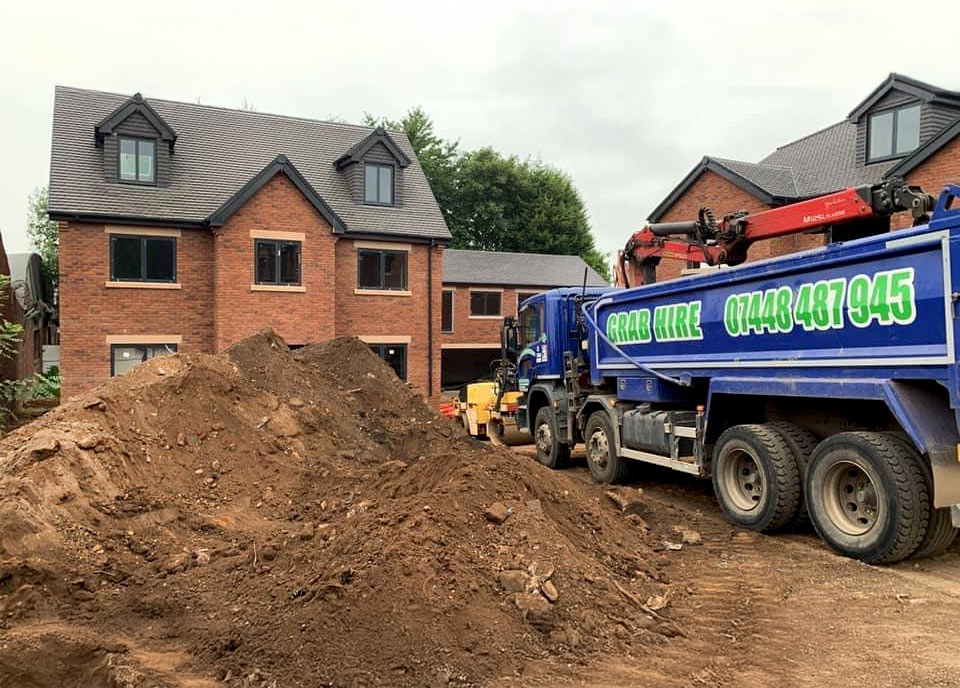
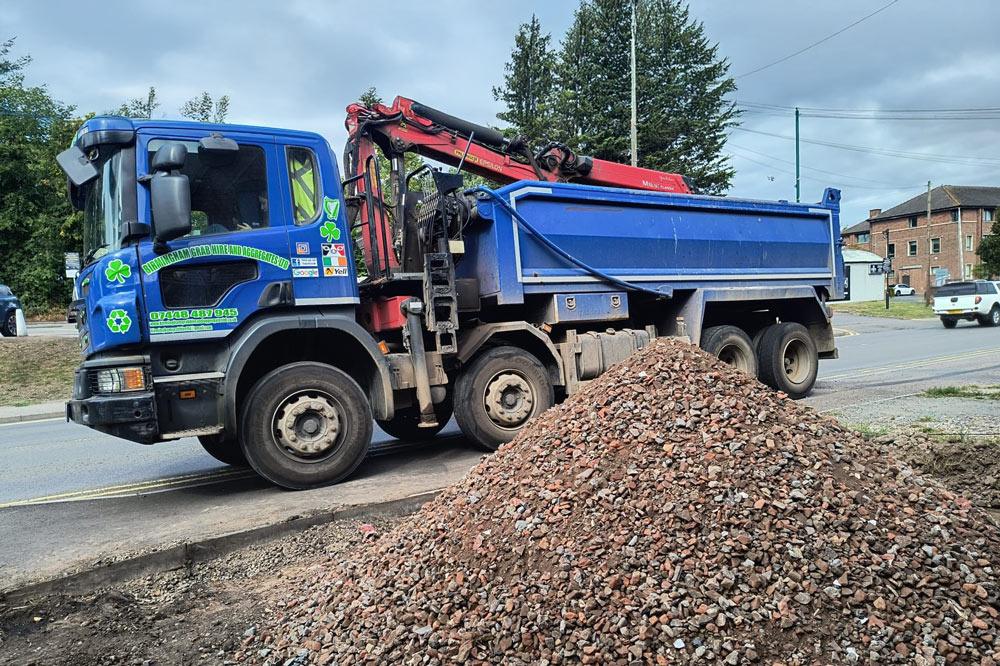
A grab lorry is designed to collect and transport bulk waste quickly. Using a hydraulic arm and bucket, it can pick up loose material from outside a property or worksite without the need for manual loading. That makes it ideal for jobs where waste has been piled up in one area and needs shifting efficiently.
This type of service is commonly used for home improvement projects, landscaping work, demolition clearance, utility jobs, and general site clean-ups. It is especially useful when waste is heavy, awkward, or too bulky for standard skips. If you are dealing with rubble, spoil, or large amounts of garden material, a grab lorry often makes the whole job simpler.
Common Types of Waste a Grab Lorry Can Take
In most cases, grab lorries are well suited to a wide range of non hazardous waste. The exact mix will depend on the provider and how the materials have been sorted, but the following are among the most common types collected.
| Waste Type | Typical Examples | Common Use |
|---|---|---|
| Soil and spoil | Excavated earth, dug out ground, subsoil | Groundworks, extensions, landscaping |
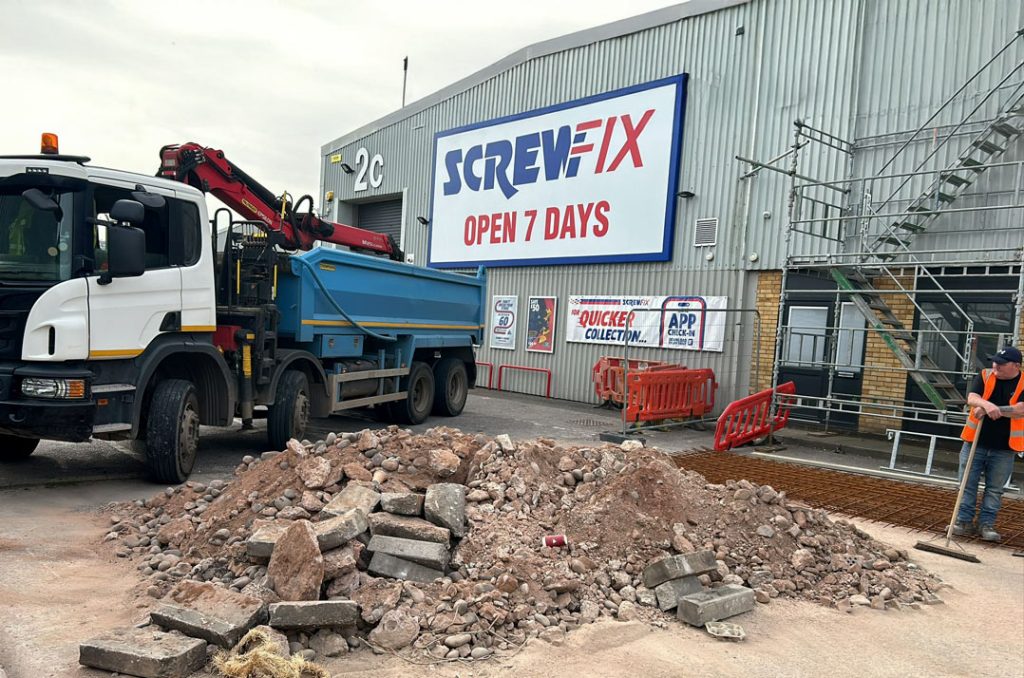
| Rubble and hardcore | Broken bricks, stone, concrete, paving | Demolition, driveways, site clearance |
| Green waste | Branches, hedge cuttings, turf, roots | Garden and landscape work |
| Mixed construction waste | General site waste, broken materials, offcuts | Renovation and building projects |
Soil is one of the most common materials removed on groundwork and landscaping jobs, particularly where there has been digging, levelling, or preparation for new structures. Rubble, hardcore, and broken concrete are also regularly collected after demolition, driveway replacement, and extension work. If your project has produced bulky, loose waste that is stacked outside, there is a good chance a grab lorry is a practical solution.
Green material is another frequent one, especially after large garden clearances. Branches, hedge cuttings, roots, turf, and other natural outdoor waste can often be collected through a dedicated green waste removal service. On construction sites, mixed loads may also be possible, though it often depends on what is in the pile and how well the materials have been separated.
Jobs Where Grab Hire Makes Sense
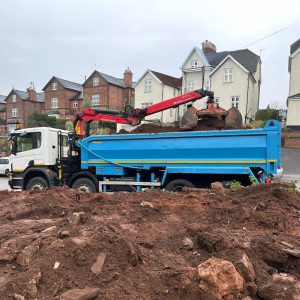 Grab hire is often the right choice when the waste is outdoors, piled up, and too much for a few car loads to the tip. It is commonly used for torn out driveways, extension spoil, dug out footings, landscaping waste, and general construction waste removal. It also works well on sites where speed matters and you want waste removed without slowing the rest of the project down.
For larger groundworks jobs, muck away services are often the better fit where there is a heavy volume of soil or spoil to remove. That is especially useful on new builds, drainage work, utility trenches, and excavation jobs where material is coming out continuously.
What Cannot Usually Go in a Grab Lorry?
This is where it pays to check before booking. Not every type of waste can simply be loaded and taken away as part of a standard collection. Hazardous materials are the biggest issue. Items such as asbestos, certain chemicals, solvents, paints, fuel contaminated waste, and some electrical items usually need specialist disposal. Tyres and plasterboard can also require separate handling depending on how they are stored and whether they are mixed with other waste.
The reason is not just convenience. Waste rules, recycling processes, and disposal costs all change depending on the material. Mixing restricted items into a general waste pile can create delays and may mean the load needs to be rejected or re-sorted. That is why it is always worth being upfront about what is in the pile before collection is arranged.
Good rule of thumb
If the material is heavy, loose, non hazardous, and stored where the grab arm can reach it, it is often suitable. If it is dangerous, contaminated, or needs special disposal paperwork, always ask first.
Why Waste Type Matters Before Booking
Knowing what needs removing helps in a few important ways. First, it allows the right vehicle and pricing to be arranged from the start. Second, it reduces the chance of problems on the day if the driver arrives and finds unexpected materials. Third, it helps the waste go through the correct disposal or recycling process, which is better for compliance and usually better for efficiency too.
This is particularly important for trade customers, builders, landscapers, and developers who need site clearance to run smoothly. The more clearly the waste is described in advance, the easier it is to keep the job moving.
Can You Mix Different Materials in One Load?
Sometimes yes, but not always. A mixed load of general site waste may be acceptable, especially where the contents are known and suitable for sorting. In other cases, separating materials is the better option. Clean loads of concrete, soil, hardcore, or green waste are often easier to process and may make collection more straightforward.
If you have a mixture of waste types, it is best to describe the load clearly when requesting a quote. A quick conversation beforehand can help avoid the common problem of assuming everything can go together when that may not be the case.
How to Prepare Waste for Collection
A little preparation makes a big difference. Try to keep the waste in one main pile if possible, and make sure there is enough access for the lorry to park safely and use the grab arm effectively. Waste that is scattered across a large area takes longer to collect and may slow the whole visit down.
It also helps to keep restricted items out of the main pile unless they have already been agreed in advance. If there is any doubt about what the waste includes, mention it when booking. That is usually far easier than trying to sort things out once the vehicle has arrived.
Grab Lorry or Skip?
For many outdoor jobs, grab hire is the quicker option. It can remove a large amount of material in one visit, does not usually require the same on-site space as a skip, and saves the effort of loading everything by hand. Skips still have their place, especially where waste is being produced gradually over several days, but for heavy loose material like spoil, rubble, and garden clearance, a grab lorry is often the more efficient choice.
Final Thoughts
A grab lorry can take a surprisingly wide range of waste, from soil and hardcore to green waste and general building debris. That said, not everything belongs in a standard load. Hazardous or restricted materials may need separate treatment, and mixed waste is always best checked in advance.
If you are planning a clearance and want to make sure the waste is suitable, it is worth speaking to the team before booking. A quick check now can save time later and make sure the collection goes ahead without complications.
Need advice on a waste load?
If you are unsure what can be collected, get in touch before booking and the team can point you in the right direction.