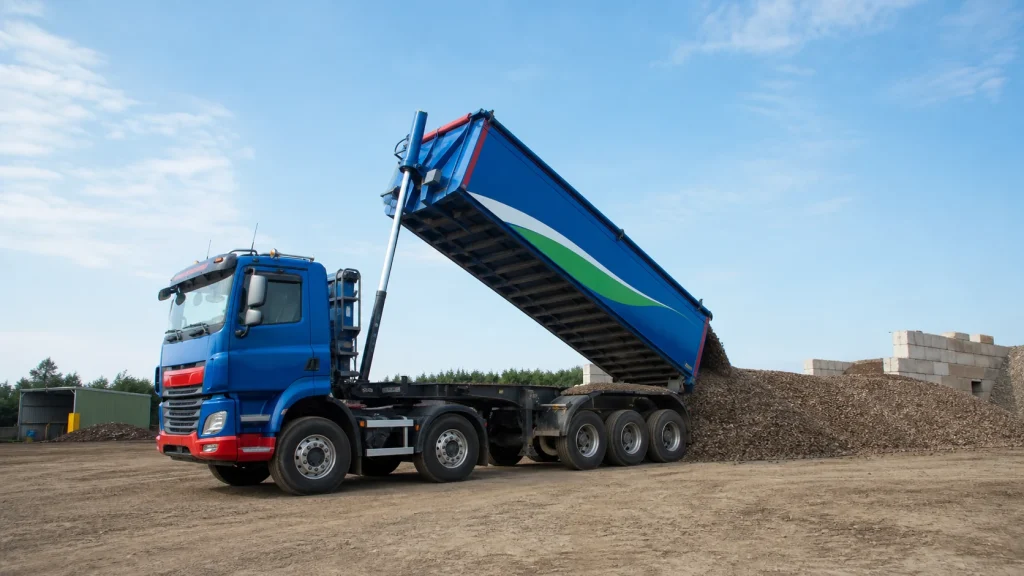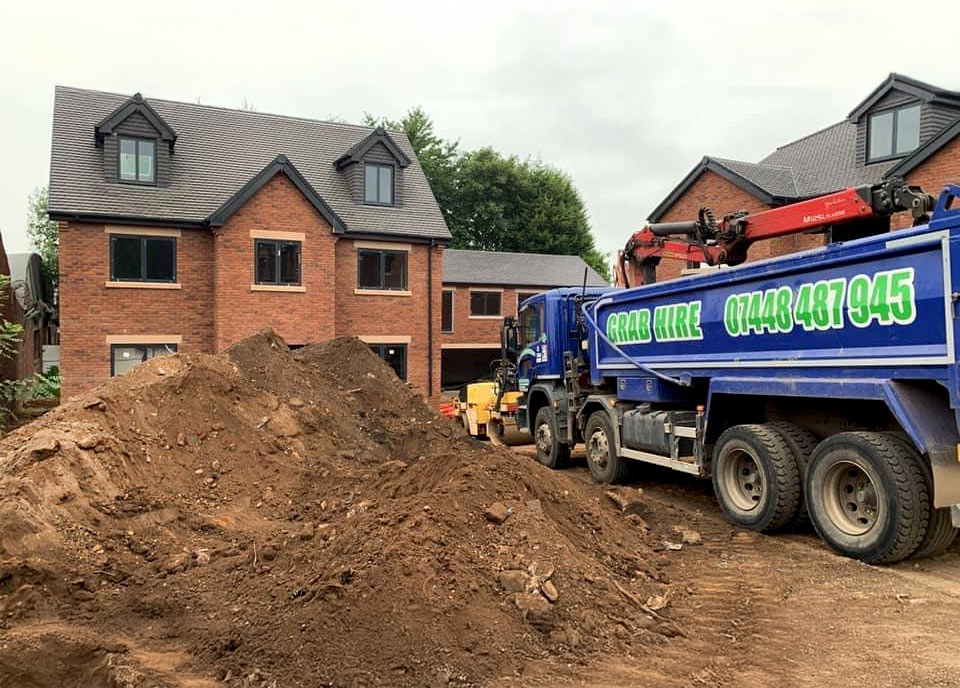
Utility trenching creates spoil quickly. Soil, broken surfacing, rubble, ducting offcuts and mixed site waste can build up around the working area unless there is a practical plan for getting it cleared.
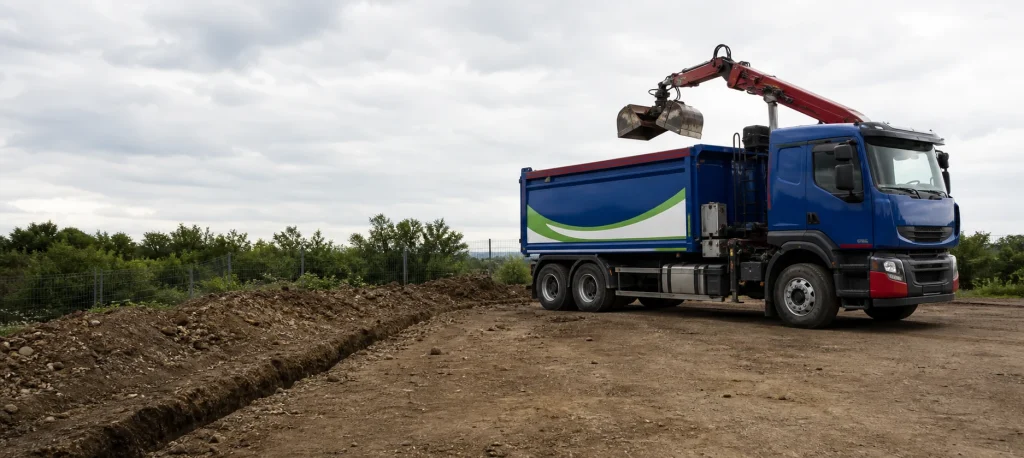
Grab hire gives utility teams a flexible way to move that material without relying on manual loading or leaving piles where they slow access. With the right planning, a grab lorry can lift spoil from the edge of the trench, keep the working area clearer and support a smoother muck away operation.
Why trench spoil needs a clear removal plan
Utility works often happen in tight spaces. Crews may be opening a trench, installing or repairing pipework, laying ducts, exposing cables, reinstating a surface or preparing for further groundworks. Each stage creates material that has to be managed safely and sensibly.
Trench spoil is not always one clean stream. It can include excavated soil, clay, stone, tarmac, concrete, hardcore and general site waste. Some material may be suitable for recycling or recovery, while other loads need separate handling. The more organised the site is at the point of excavation, the easier it is to keep the removal process moving.
A poor removal plan can leave spoil in the way of plant, operatives, pedestrians, access routes and follow on trades. A good plan gives the crew a defined place to stockpile, a clear booking time for collection and enough space for the grab arm to reach the material safely. This is where utility construction support with grab hire becomes useful, because the clearance method can fit around the way utility teams already work.
How grab lorries help in constrained working areas
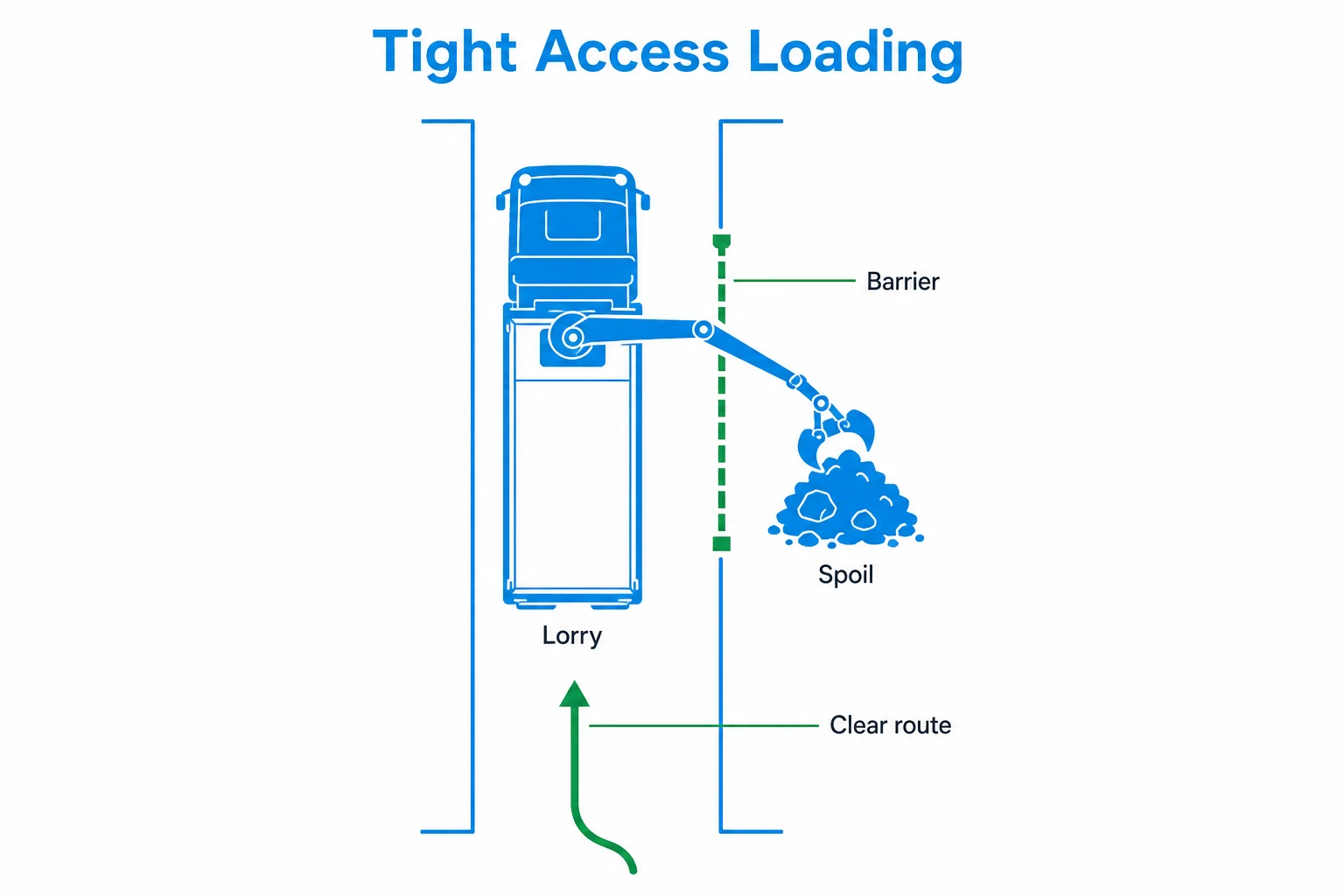
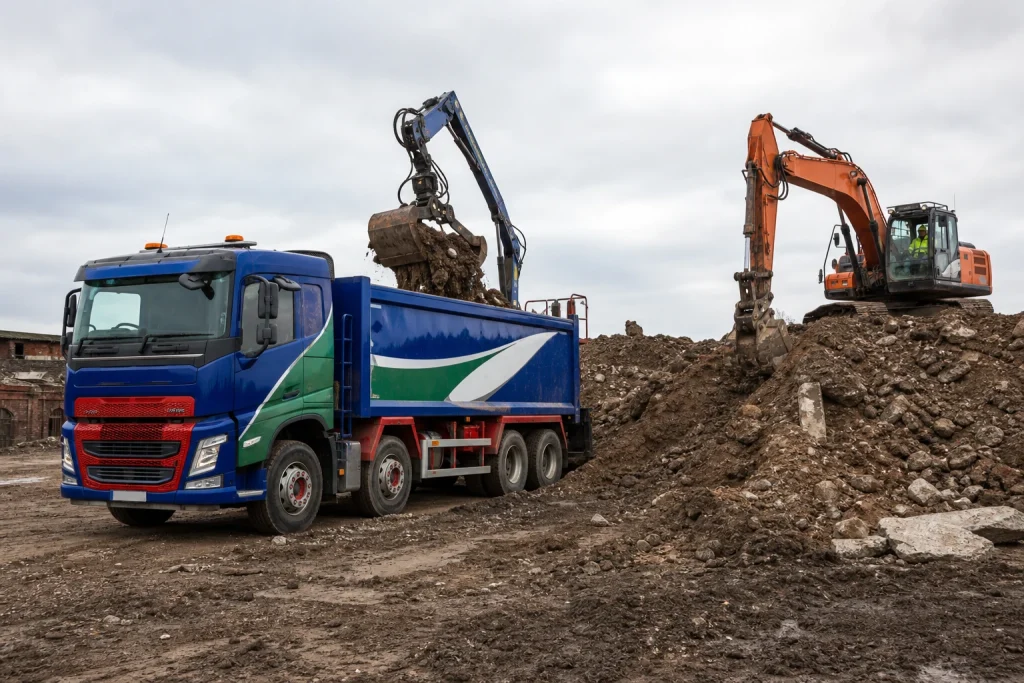
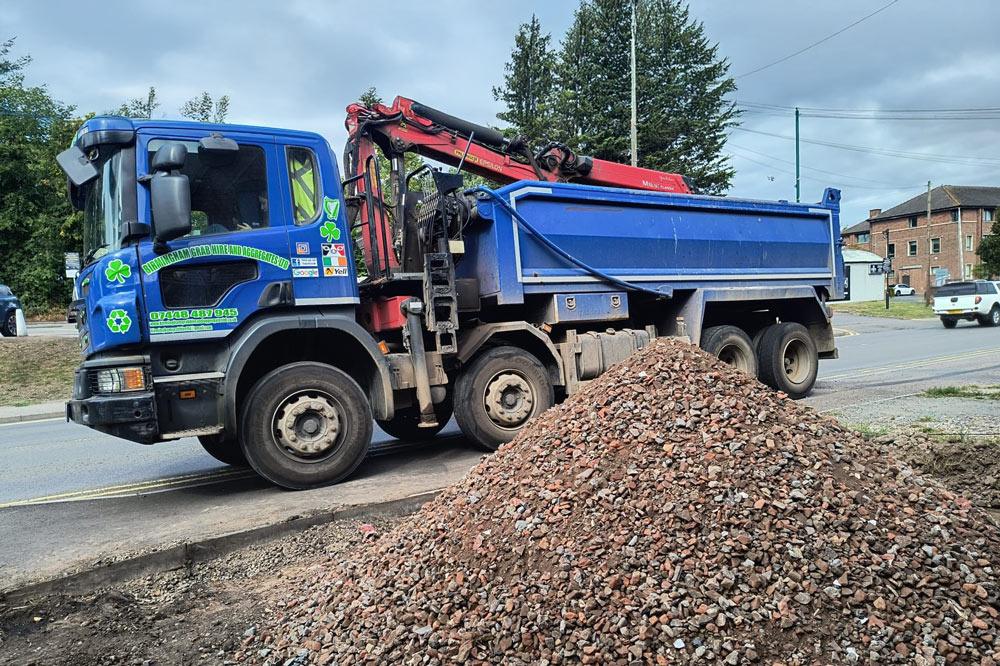
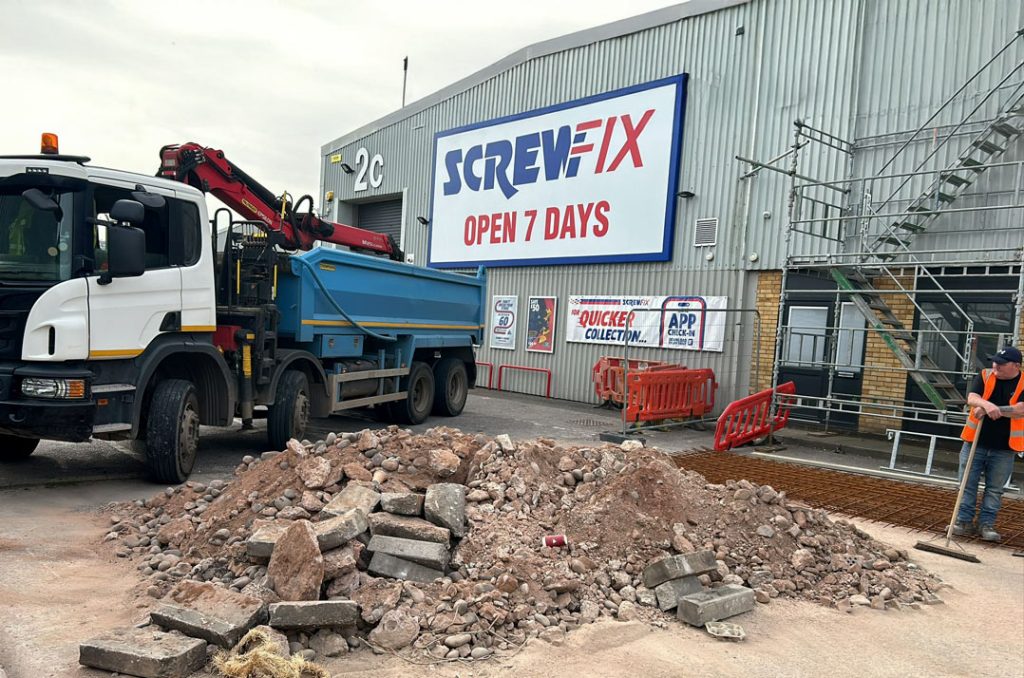
The main advantage of grab hire is that the lorry loads itself. The hydraulic arm can reach over low obstacles, lift loose spoil from a prepared pile and load it into the vehicle without needing a separate loading machine on every collection. For utility sites where space is limited, this can be a practical difference.
On many trenching jobs, there is not enough room to place multiple skips or bring in larger equipment purely for waste loading. A grab lorry can arrive, position where access allows and clear the pile efficiently, provided the material is reachable and the surface is suitable for the vehicle. This helps keep the active work area cleaner while reducing the amount of double handling on site.
Grab hire services are particularly helpful when spoil is generated in phases. Instead of waiting until the end of a job, teams can arrange collections at sensible points in the programme. That can stop stockpiles becoming too large, preserve working space and support safer movement around the trench.
Good communication matters. The crew should know where the spoil will be placed, what type of material is being collected, whether any mixed waste is present and whether there are access restrictions. A brief conversation before the lorry arrives can prevent confusion and keep the collection straightforward.
What can usually be cleared from utility trenching
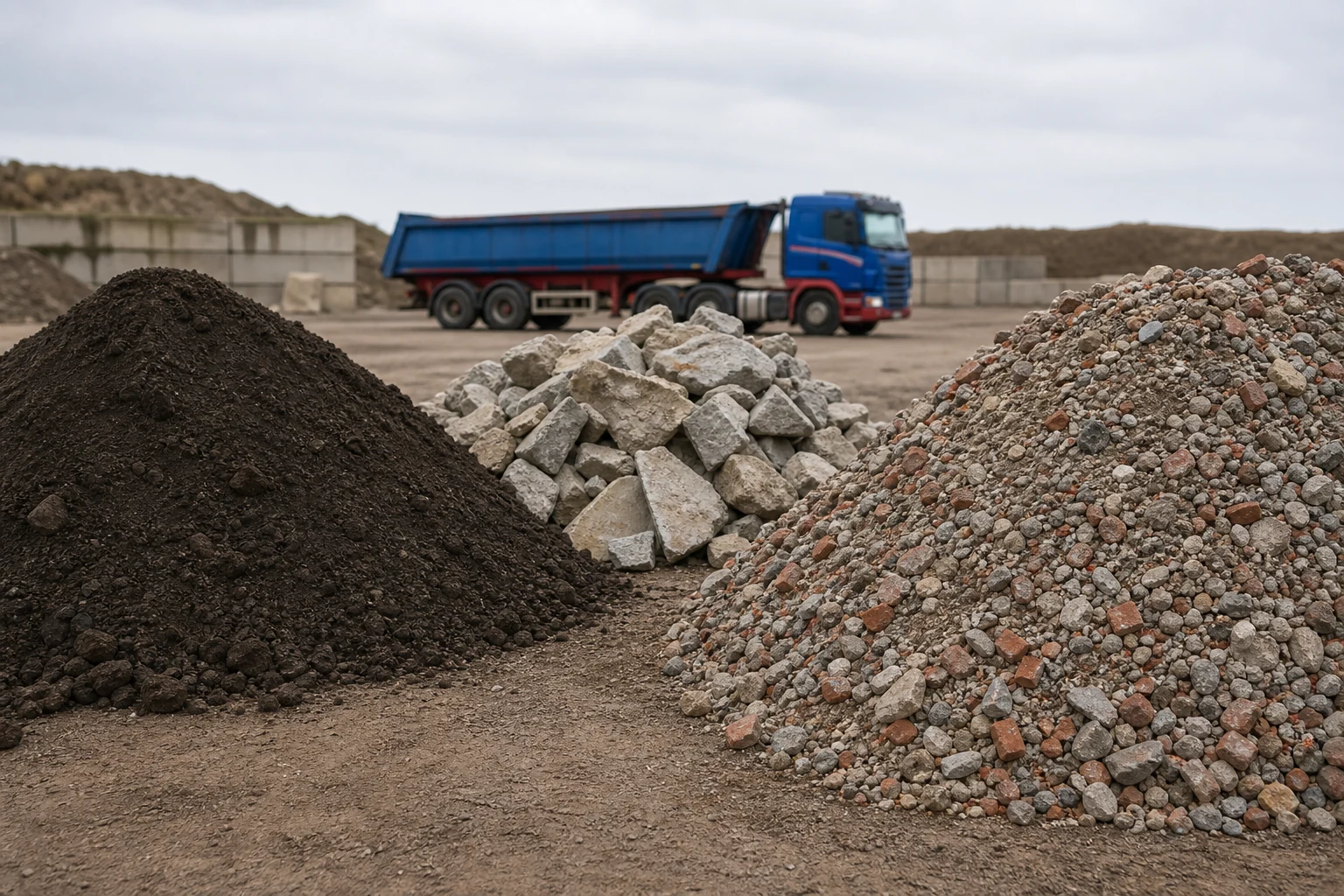
Every site is different, but utility trenching often produces several common material streams. Clean excavation spoil may be handled differently from mixed construction waste, and broken surface material may need to be kept apart where possible. Sorting at source can make the muck away process simpler and more responsible.
Typical materials from utility trench works can include:
- Excavated soil, clay, stone and sub base material.
- Broken concrete, tarmac, kerbs and paving.
- Hardcore and rubble from excavation or reinstatement preparation.
- Surplus aggregates where a job has been over supplied.
- General construction waste created during the works.
If the job involves mixed rubble, packaging, offcuts or site clearance alongside the trench spoil, it may be worth reviewing the options for construction waste removal as well as straightforward spoil collection. Keeping these streams organised helps the collection team understand what is being loaded and where it needs to go.
Hazardous or specialist materials need separate consideration and should not be treated as ordinary muck away. If there is uncertainty about a material, the sensible approach is to ask before loading is booked. Clear information at the start protects the site team, the carrier and the disposal route.
Planning muck away around the utility programme
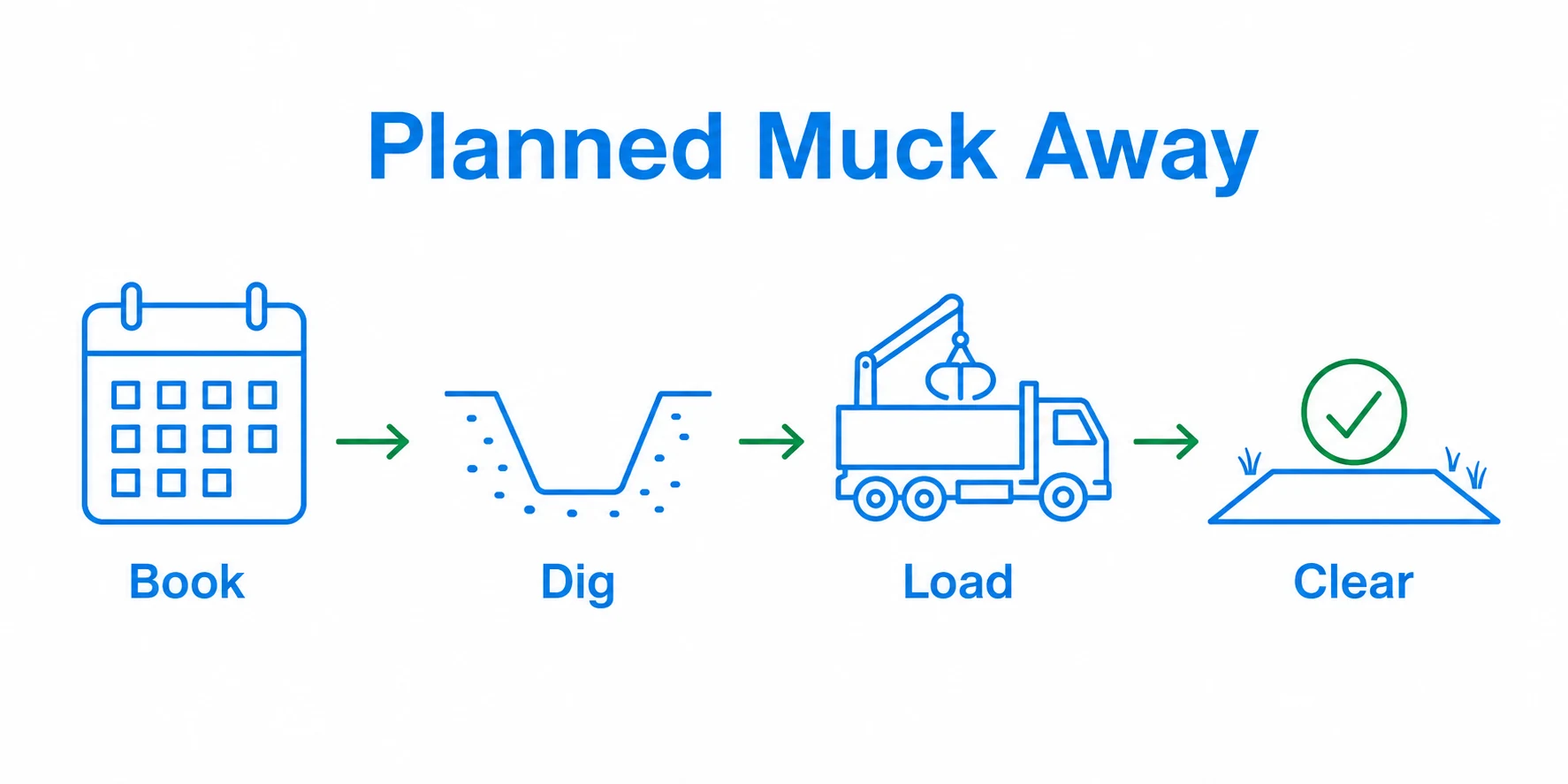
Efficient muck away starts before the lorry arrives. The best results usually come from matching collections to the pace of excavation, reinstatement and access needs. If the crew knows when the trench is likely to produce the biggest volume of spoil, collections can be timed around that work rather than arranged only when space has already become tight.
There are several practical questions worth answering before booking:
- Where will the lorry be able to position safely?
- Can the grab arm reach the spoil without crossing unsafe areas?
- Is the material loose enough to be lifted cleanly?
- Has the spoil been kept separate from unsuitable waste?
- Will collection access be affected by plant, barriers, parked vehicles or deliveries?
- Is there enough room for the lorry to enter, load and leave without disrupting the work?
These are simple questions, but they make a real difference. A grab lorry is productive when the pile is ready, access is clear and the load type is understood. For projects with regular excavation, arranging muck away support as part of the work plan can keep the site from becoming cluttered between stages.
It is also worth thinking about reinstatement materials. Some projects need aggregates brought in as spoil is removed, so the return journey, delivery timing or wider material plan may need coordinating. When removal and supply are treated together, the job can move from excavation to backfill with fewer delays.
Safety, access and responsible handling
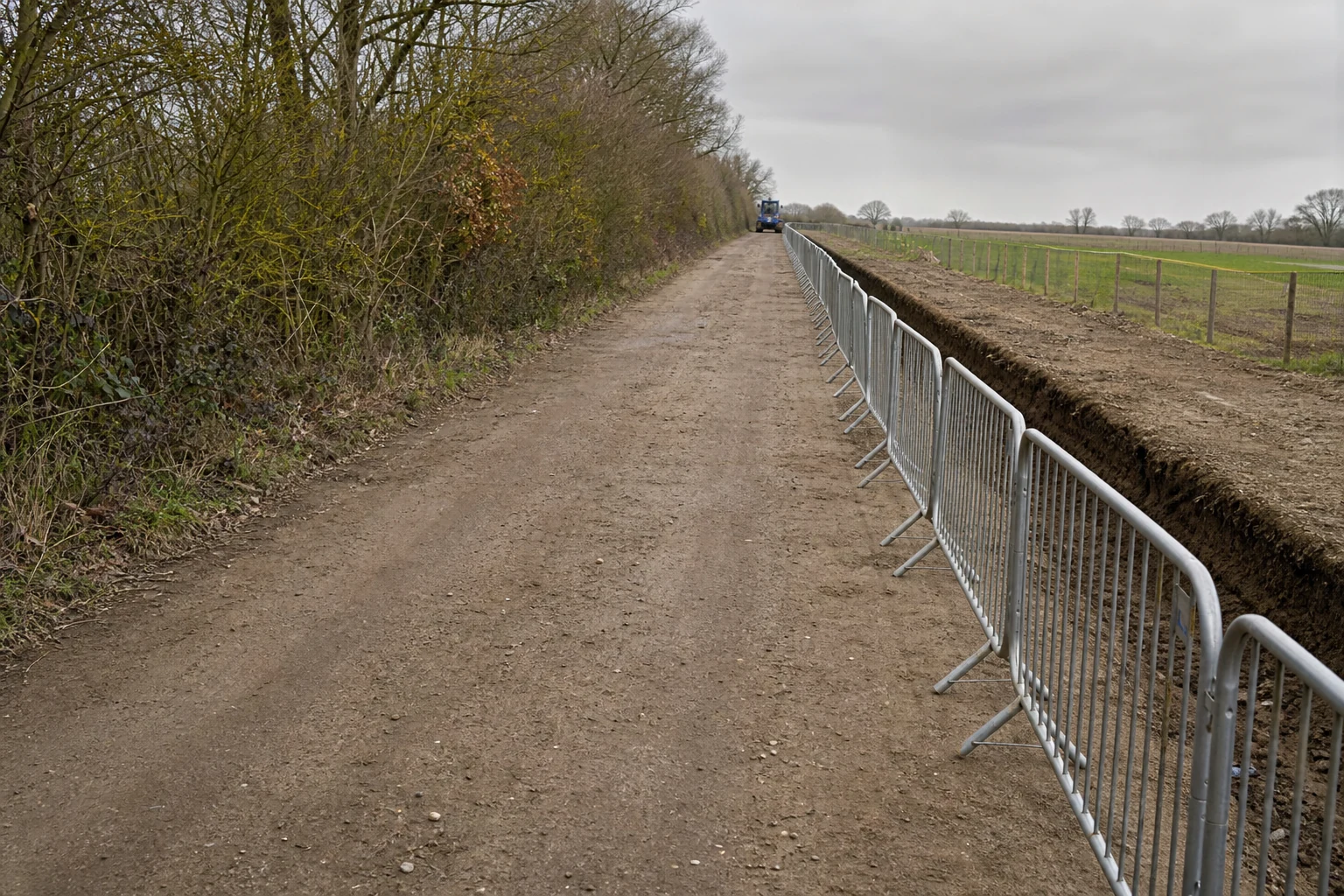
Utility sites have moving parts. Operatives may be working near open excavations, live services, barriers, public interfaces, traffic management and plant movements. Spoil clearance should support that environment, not complicate it.
Before a collection, the site team should make sure the loading area is clear, the pile is stable and the lorry has a suitable place to stand. The operator needs room to work the grab safely, with attention to overhead obstructions, nearby structures and anyone working close to the loading area. The clearer the setup, the cleaner and safer the lift.
Responsible waste handling is also part of the process. Loads should be described honestly, and materials should be separated where the site allows. This supports recycling and recovery routes where suitable, and it helps avoid the problems that come from mixed or unexpected waste. For utility contractors, this is not just good housekeeping. It helps maintain confidence across the whole project.
Documentation may also be needed for waste movements, depending on the job and the material. Keeping the correct records gives the contractor a clearer trail of where spoil and waste have gone. A professional grab hire provider will understand why that matters and will work with the site team to keep the removal process orderly.
When grab hire is the right choice for trench spoil
Grab hire is often the right fit when spoil is loose, accessible and produced in enough volume to justify collection by lorry. It is especially useful where teams want fast loading without placing multiple containers around the site.
It can be a strong option for service trenches, repair works, ducting routes, excavation support, reinstatement preparation and general site clearance linked to utility activity. It also works well when a project needs flexible collections as work progresses, rather than one final clear up at the end.
There are times when another approach may be needed. If material is inside a building, far from vehicle access, bagged in small quantities or contaminated, the site may need a different plan. The key is to describe the job clearly so the right vehicle, timing and handling method can be chosen.
For many utility projects, the value of grab hire is straightforward. It helps remove heavy material quickly, reduces manual handling, supports cleaner working areas and keeps crews focused on the installation or repair rather than on shifting spoil around the site.
- Grab hire is well suited to utility trench spoil because the lorry can self load loose material from a reachable stockpile.
- Clear access, good pile placement and honest load descriptions make muck away faster and more organised.
- Separating soil, rubble and mixed waste where possible supports more responsible handling and recycling routes.
- Phased collections can stop spoil from taking over restricted working areas during utility works.
- Birmingham Grab Hire can support utility projects with practical grab hire and muck away services.
Frequently asked questions
Why use grab hire instead of skips for trench spoil?
Grab hire can be more practical when spoil is loose and accessible because the lorry loads itself. It can clear larger piles without several skips taking up space around the working area.
Can grab lorries collect mixed trench spoil and rubble?
They can often collect common excavation spoil and rubble, but the material should be described clearly when booking. Mixed or specialist waste may need separate handling, so it is best to check first.
How should trench spoil be prepared before collection?
Place the spoil in a safe, reachable pile with clear access for the lorry. Keep different materials separate where possible and make sure the loading area is free from unnecessary obstructions.
When should muck away be arranged on a utility project?
It is usually best to plan collections around the excavation programme. Booking at sensible stages can prevent large piles from building up and help the site stay easier to work around.
Need practical utility muck away support?
Talk to Birmingham Grab Hire about grab hire and muck away for utility trench spoil, rubble and site waste. The team can help you plan a straightforward collection around your works.