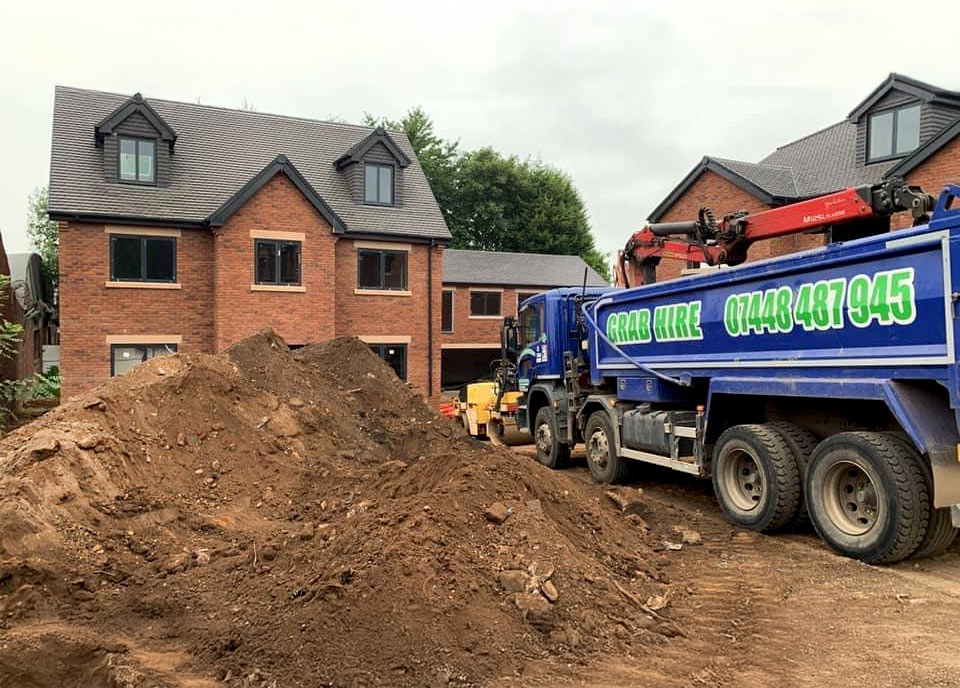
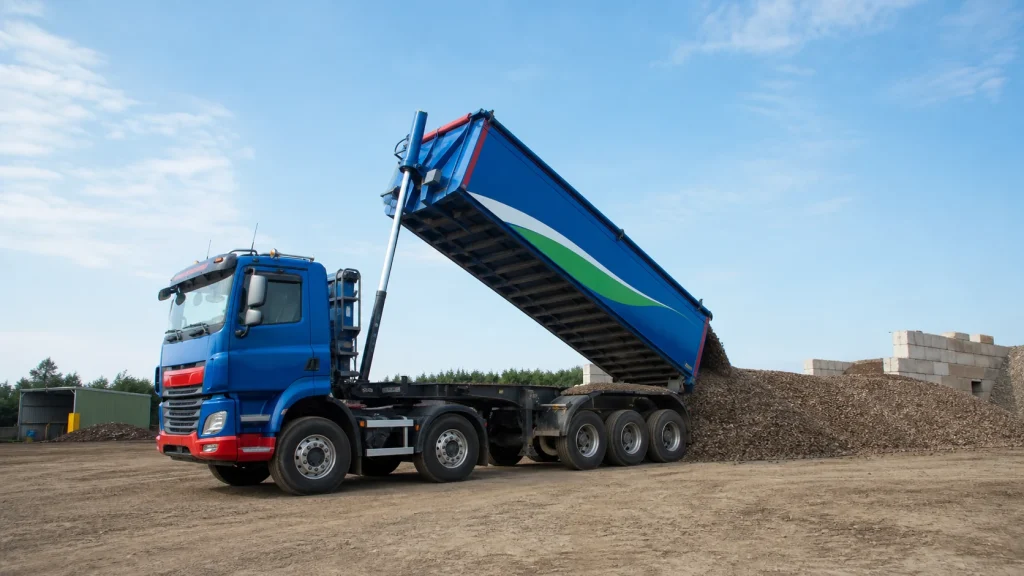
Loose loads are simple in theory, but awkward in practice. Stone, sand, rubble and soil all need to move cleanly from one place to another without slowing down the rest of the job.
Tipper lorries are built for that kind of movement. When the material can be loaded directly and tipped where it is needed, the whole process becomes more straightforward, with fewer steps between the yard, the site and the final stockpile.
Why double handling slows loose load movements
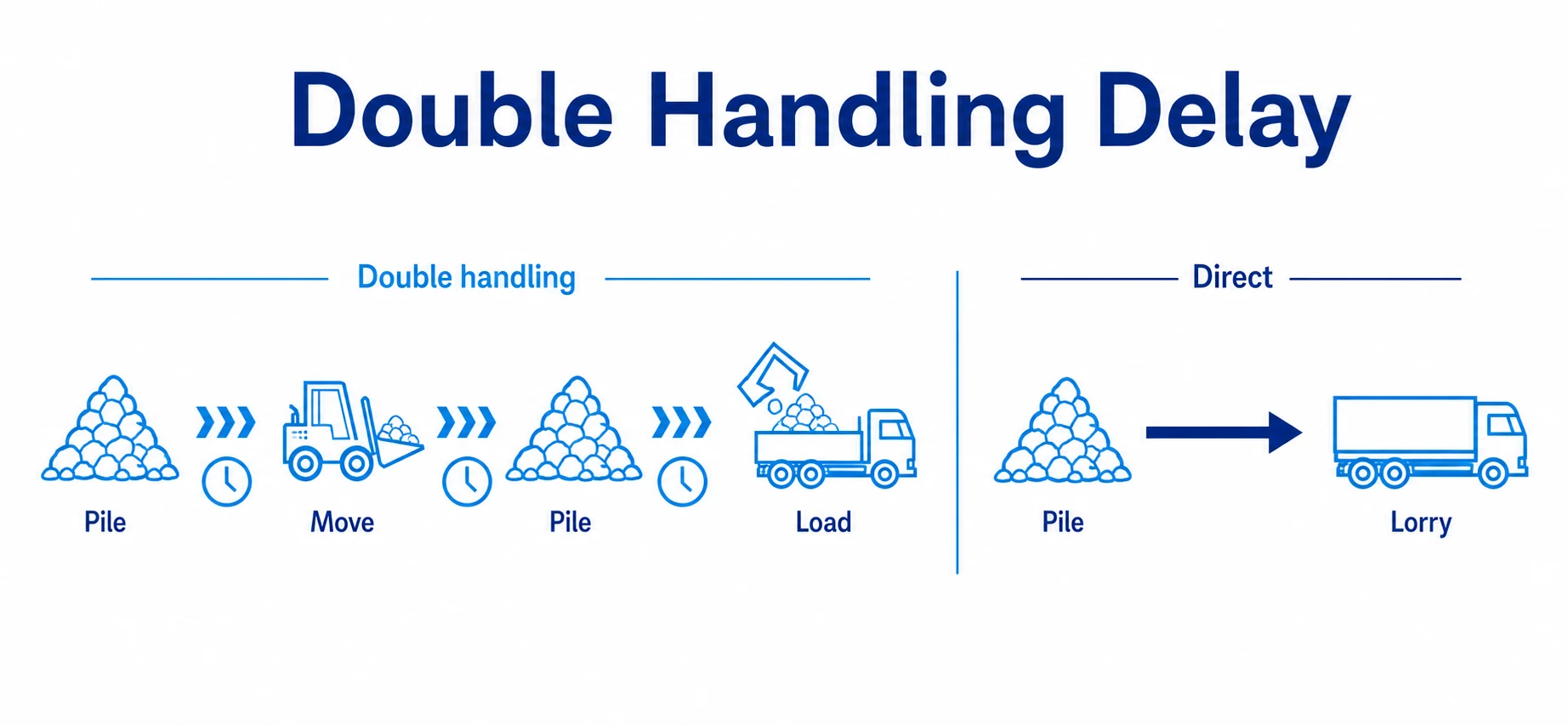
Double handling means moving the same material more than once before it reaches the place where it is actually needed. It can happen when aggregates are dropped in the wrong part of a site, when waste is stockpiled before removal, or when soil has to be moved into a temporary holding area before it is loaded again.
Every extra movement adds pressure to the programme. A machine may need to be pulled away from other work, site space gets taken up by temporary piles, and there is more traffic around the working area. Even when the individual movements are quick, the interruptions can build up across a busy day.
Loose aggregates are especially sensitive to this. Type 1, sand, gravel and clean stone are often needed in specific places, not just somewhere nearby. If the material is tipped close to the point of use, the site team can keep laying, filling, bedding or compacting without unnecessary shuffling.
The same principle applies to spoil, rubble and excavated material. If it can be loaded once and taken away, the site stays clearer. If it has to be stockpiled, moved and loaded again, the job becomes more crowded than it needs to be.
How tipper lorries keep material moving directly
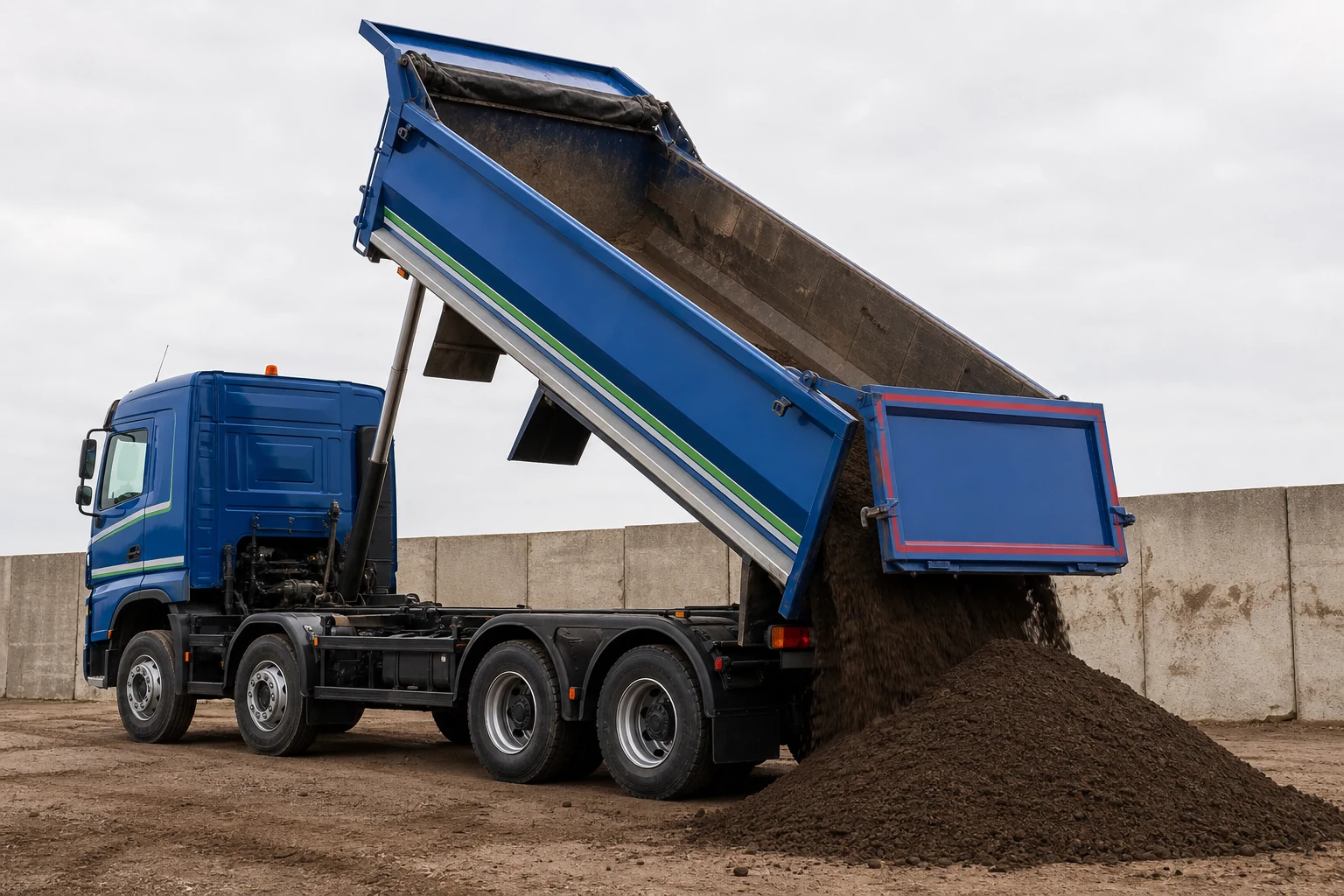
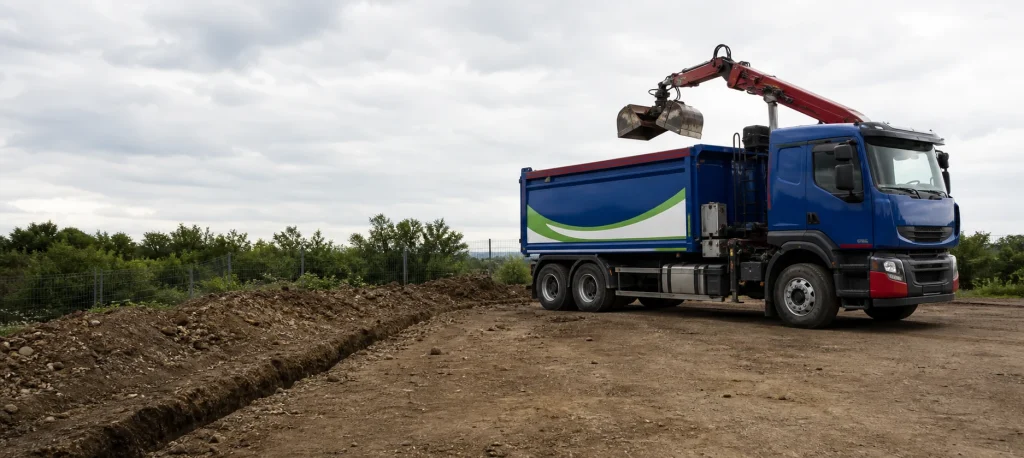
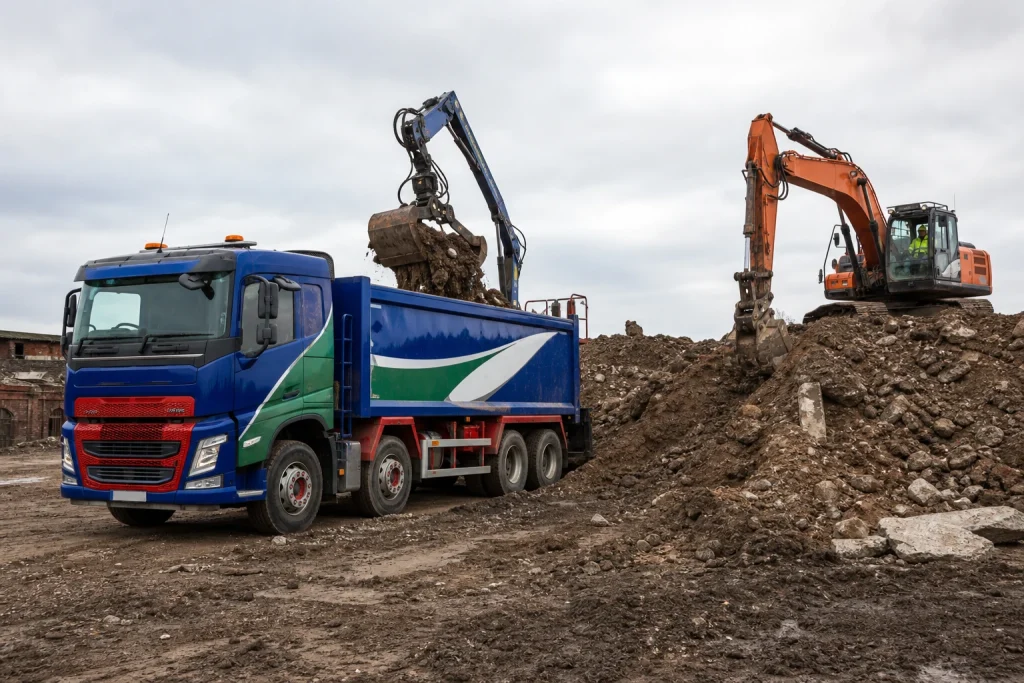
A tipper lorry works best when the route is simple. Material is loaded into the body, transported to the next point, and tipped in a controlled drop. That can be from a quarry or recycling facility to a site, from one working area to another, or from a site back to a licensed facility for processing.
The main advantage is that the load remains loose and ready to tip. There is no need for pallets, bags or manual unloading when bulk material is suitable for direct tipping. That makes tipper hire useful for projects where volume matters and the receiving area can accept a loose load.
For incoming materials, tipper hire for loose load movements can help keep deliveries aligned with the stage of work. Instead of overloading a site with too much material at once, loads can be planned around what the team can use, store and access safely.
For outgoing loads, the same vehicle type helps remove bulk material without breaking the flow of excavation, clearance or preparation work. Once loaded, the material leaves the site in one movement, which helps reduce clutter and keeps access routes easier to manage.
Tipper lorries are also useful between yards and material piles. Where aggregates need to be moved from a storage area to a working site, or recovered materials need to be transported for processing, tipping keeps the transfer clean and practical.
Where tipping works best on site
Tipping is most effective where the receiving area has enough space, firm access and a clear plan for where the load should go. A level or suitable tipping area helps the driver position the vehicle, raise the body and discharge the material safely.
Good planning starts before the lorry arrives. The site should know what material is coming in, where it is going, and whether that location can handle the full load. If a smaller pile is needed, it may be better to arrange load sizes around the available space rather than create a pile that blocks movement.
For aggregates, tipping near the point of use is often the most efficient option. Sub base, pipe bedding, drainage stone and other loose materials can then be picked up, spread or compacted with less internal movement. If the site needs a steady supply, deliveries can be arranged so the material arrives as each phase is ready.
For waste and spoil, tipping may happen at the receiving facility rather than on site. The important part is direct loading at the work area, followed by transport to the correct destination. If you are unsure what can be removed together, the guide to what a grab lorry can take gives useful context on common loose waste streams.
Access is always worth thinking through. Overhead restrictions, soft ground, narrow turns and parked vehicles can affect where a lorry can position. A clear route helps keep the visit efficient and avoids unnecessary repositioning.
Aggregates, rubble and soil all need slightly different handling
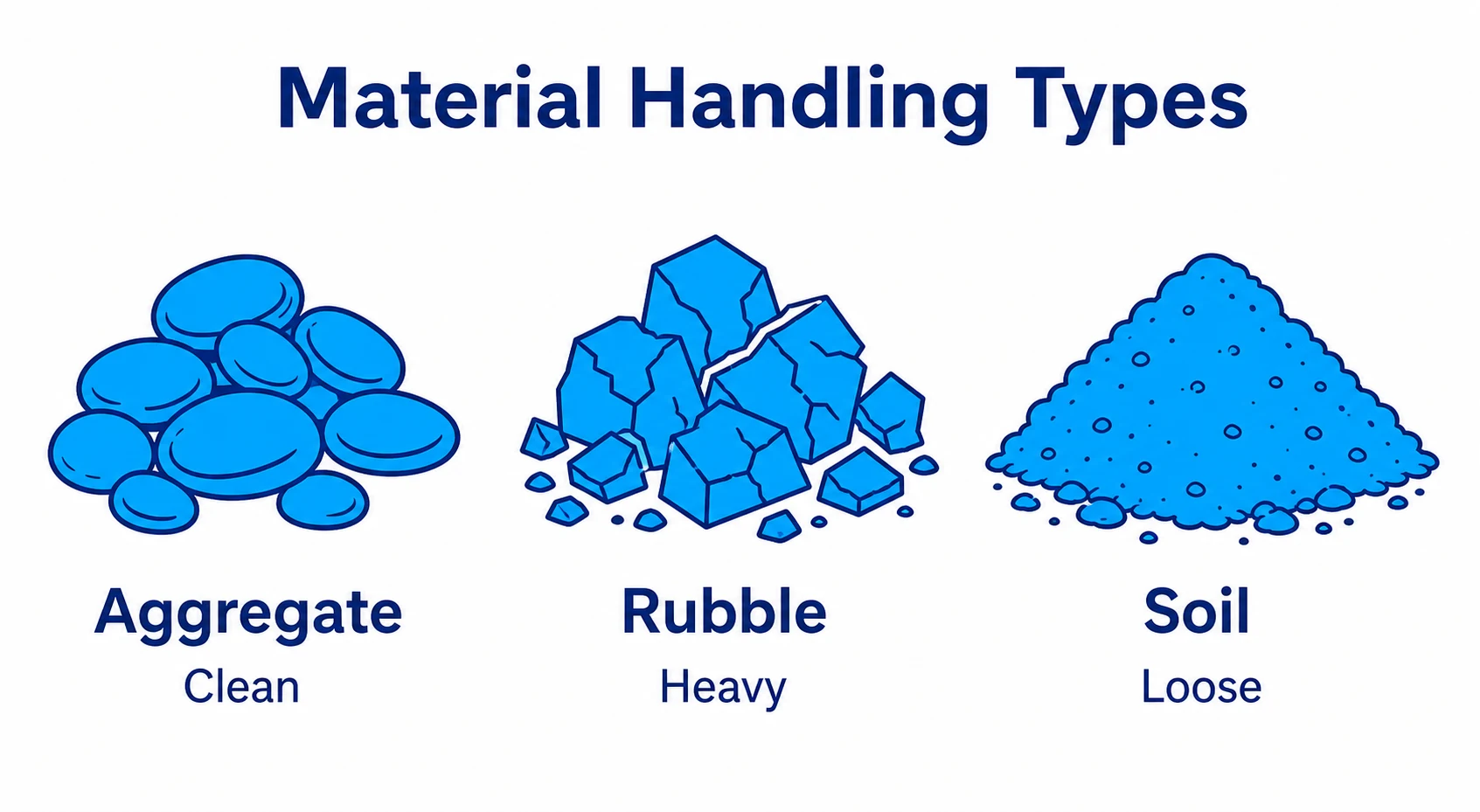
Loose loads are not all the same. Aggregates, rubble and soil behave differently in the body and on the ground, so the right approach depends on the material and the job.
Aggregates are usually ordered for a purpose. They may be needed for building up levels, drainage, surfacing preparation, concrete work or general construction support. Because they are useful materials, contamination matters. Keeping aggregates separate from waste, spoil and mixed debris helps protect their quality and makes them easier to use once tipped.
If the job needs supplied material, bulk aggregates for site work can be planned alongside the tipping arrangement so the right loose load arrives in a practical quantity. This is especially helpful when the site is trying to avoid repeated small collections or awkward manual handling.
Rubble is different. It may contain broken concrete, bricks, hardcore and similar inert material. If it is clean enough, it may be suitable for recycling or processing. Keeping it separate from general waste can make removal simpler and support more responsible handling.
Soil also needs care. Clean soil, clay, mixed excavation spoil and contaminated material are not the same thing. The site should understand what has been dug out and whether there are any restrictions on where it can go. Where utilities or trench works are involved, this becomes even more important because spoil can build up quickly beside the work area. The article on clearing utility trench spoil efficiently explains how planned removal helps keep excavations and access routes clearer.
Tipper hire and grab hire often support each other
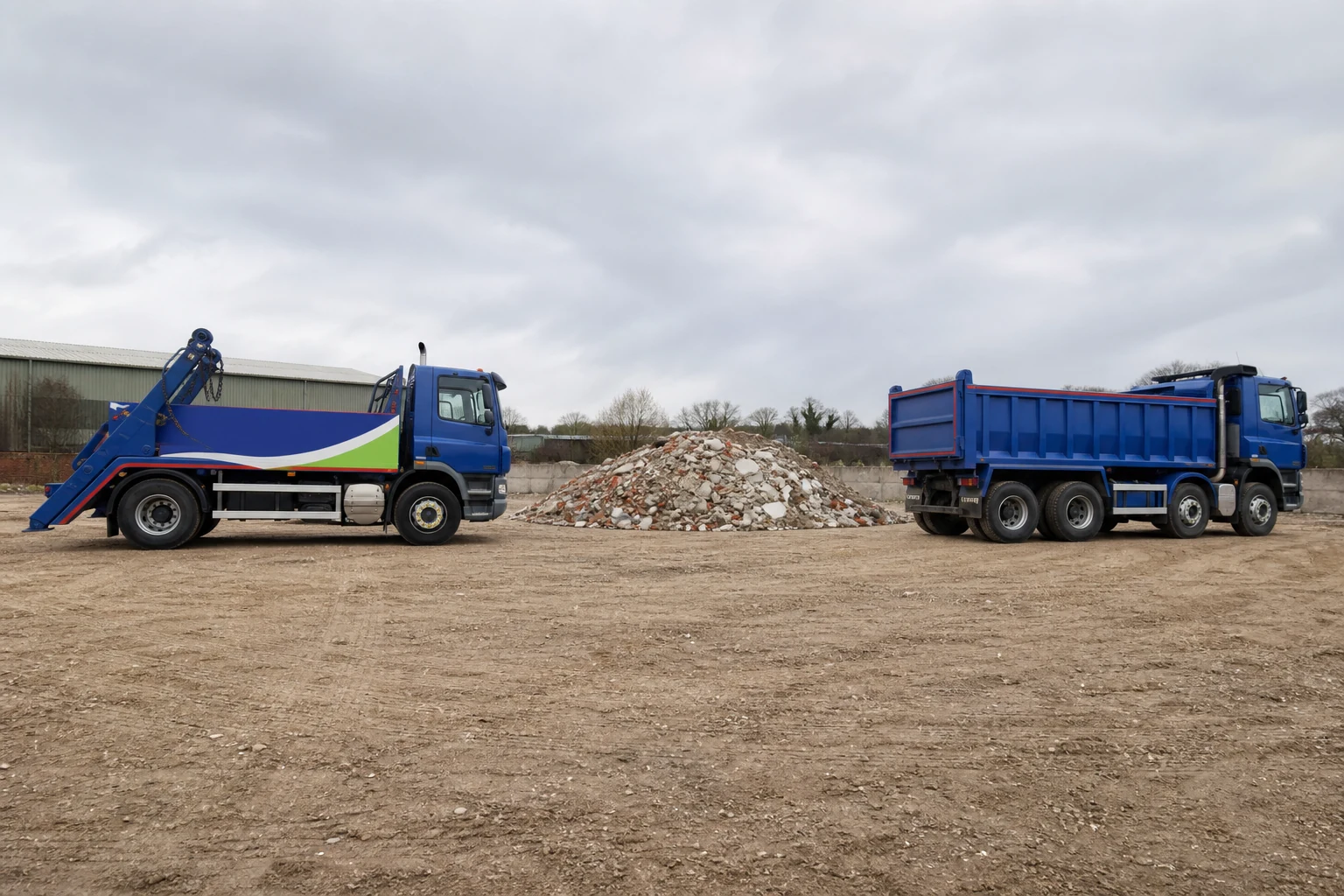
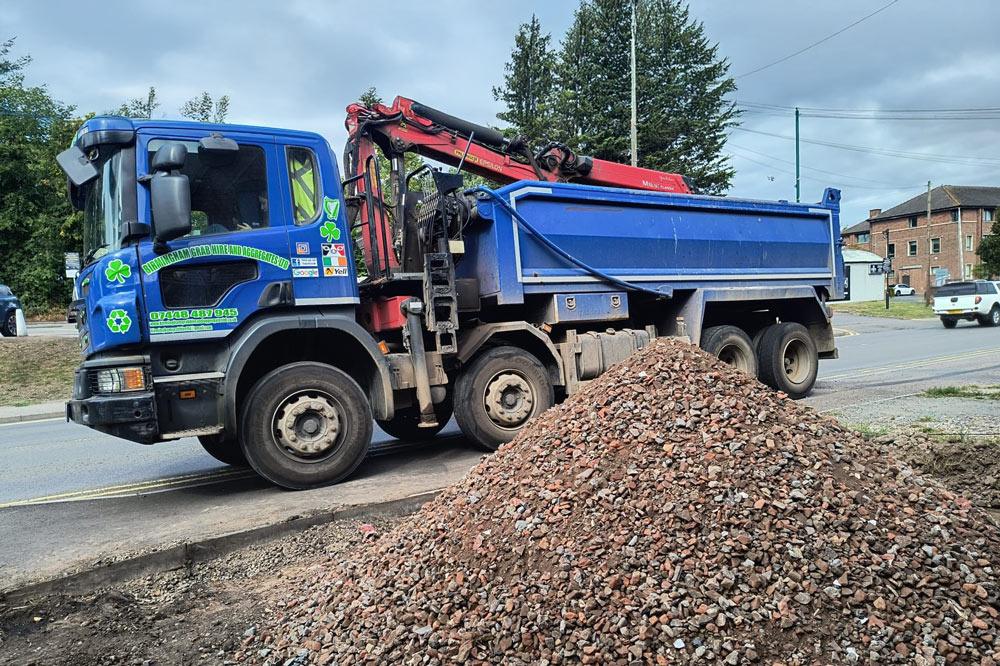
Tipper lorries and grab lorries are sometimes spoken about as if they do the same job, but they are most useful in different situations. A tipper lorry is ideal when material can be loaded by site machinery or loaded at a yard, then tipped at the destination. A grab lorry is useful when the vehicle needs to collect loose material using its own hydraulic arm and bucket.
On many projects, both approaches can be useful. A tipper may bring in aggregates for preparation work, while a grab lorry removes spoil or rubble from areas where loading machinery is limited. The right choice depends on access, available plant, material type and where the load needs to go.
If a site already has a machine available for loading, a tipper can be a very direct option. The machine loads the body, the lorry moves the material, and the receiving end benefits from a straightforward tip. That avoids unnecessary bagging, reloading or spreading material across several holding points.
If the site does not have suitable loading equipment, or the pile is positioned where a machine cannot work easily, grab hire may be the more practical collection method. This is why it is worth describing the material, access and loading arrangements clearly when arranging the service.
The aim is not just to book a vehicle. The aim is to match the vehicle to the movement, so the material is handled in the fewest sensible steps.
Planning a smoother loose load movement
A good loose load movement starts with a simple question: where does the material need to end up? Once that is clear, the rest of the plan becomes easier. The site can decide whether the load should be tipped near the work area, held in a stockpile, taken away immediately, or moved between storage and use.
Material identification is the next step. Clean stone, sand, soil, mixed rubble and construction waste should not be treated as interchangeable. Different materials may need different destinations, and keeping them separate can make loading, tipping and recycling more efficient.
Access should be checked before the vehicle arrives. A clear route, suitable ground and enough turning space all help the driver complete the movement smoothly. If site conditions are changing through the day, it helps to keep the tipping or loading area protected from parked vehicles, stored materials and other obstructions.
Timing matters too. Loose loads are most useful when they arrive at the point in the programme where they can be used or removed without sitting in the way. Well timed deliveries and collections help reduce unnecessary stockpiles and keep the working area easier to manage.
Finally, think about the next stage. If aggregates are being tipped, how will they be spread or used? If waste is being removed, is the material ready and accessible? If soil is being moved, does it need to stay separate from rubble or general waste? Answering these questions early helps tipper lorries do what they do best, move bulk material with fewer wasted movements.
- Tipper lorries help move loose aggregates, rubble and soil directly between yards, sites and material piles.
- Reducing double handling keeps site space clearer and cuts unnecessary material movements.
- Tipping works best when access, ground conditions and the receiving area are planned before arrival.
- Aggregates, rubble and soil should be identified and kept separate where practical.
- Tipper hire and grab hire can work together when loading conditions vary across a project.
Frequently asked questions
What does double handling mean with loose aggregates?
Double handling means moving the same material more than once before it reaches its useful position. For example, aggregates may be tipped in a temporary pile, then loaded again and moved closer to the work area. A planned tipper movement helps reduce those extra steps.
When is a tipper lorry better than a grab lorry?
A tipper lorry is often the better choice when material can be loaded by machinery at the starting point and tipped at the destination. A grab lorry is useful when the vehicle needs to collect loose material itself from a pile or awkward loading area.
Can tipper lorries carry both aggregates and waste?
Tipper lorries can be used for different loose materials, but loads should be planned and separated properly. Clean aggregates, rubble, soil and mixed waste all need the right handling and destination, so it is important to describe the material clearly when booking.
How can a site prepare for a loose load delivery?
Choose a suitable tipping area, keep access clear, check overhead and ground conditions, and make sure the team knows where the material should go. Good preparation helps the lorry tip efficiently and keeps the material close to where it is needed.
Plan your next loose load movement
For straightforward advice on moving aggregates, soil, rubble or waste, Birmingham Grab Hire can help you choose the right vehicle and plan a practical collection or delivery.