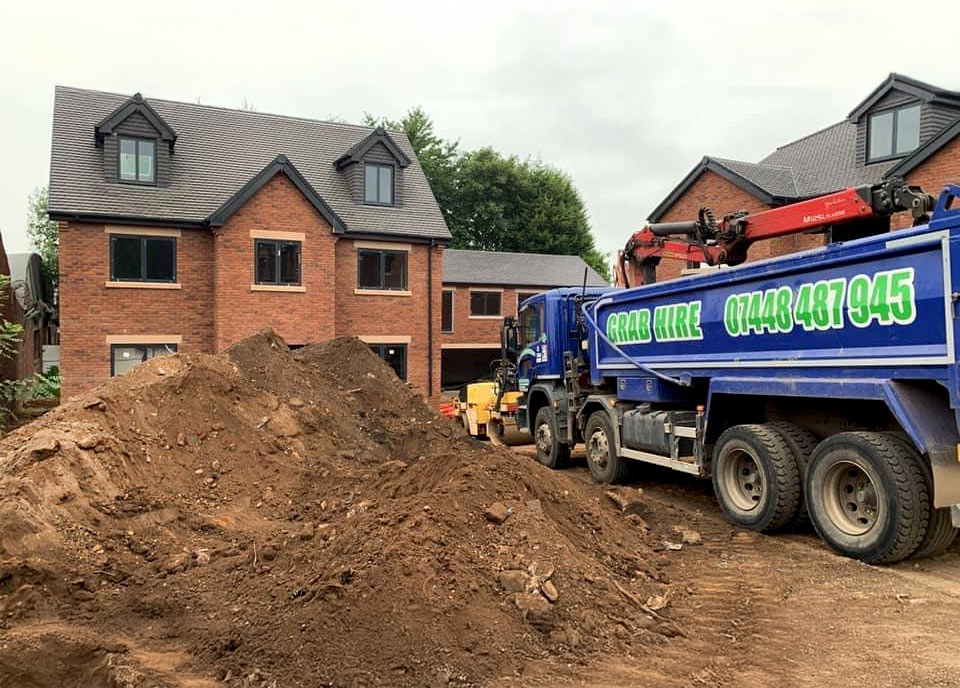
Excavation spoil can build up quickly. One trench, foundation dig or driveway dig-out can leave piles of soil, clay, hardcore and rubble that need moving before the next stage of work can begin.
Professional muck away gives you a planned route from site clearance to responsible disposal. Here is what usually happens once spoil is ready to leave site.
What counts as excavation spoil?
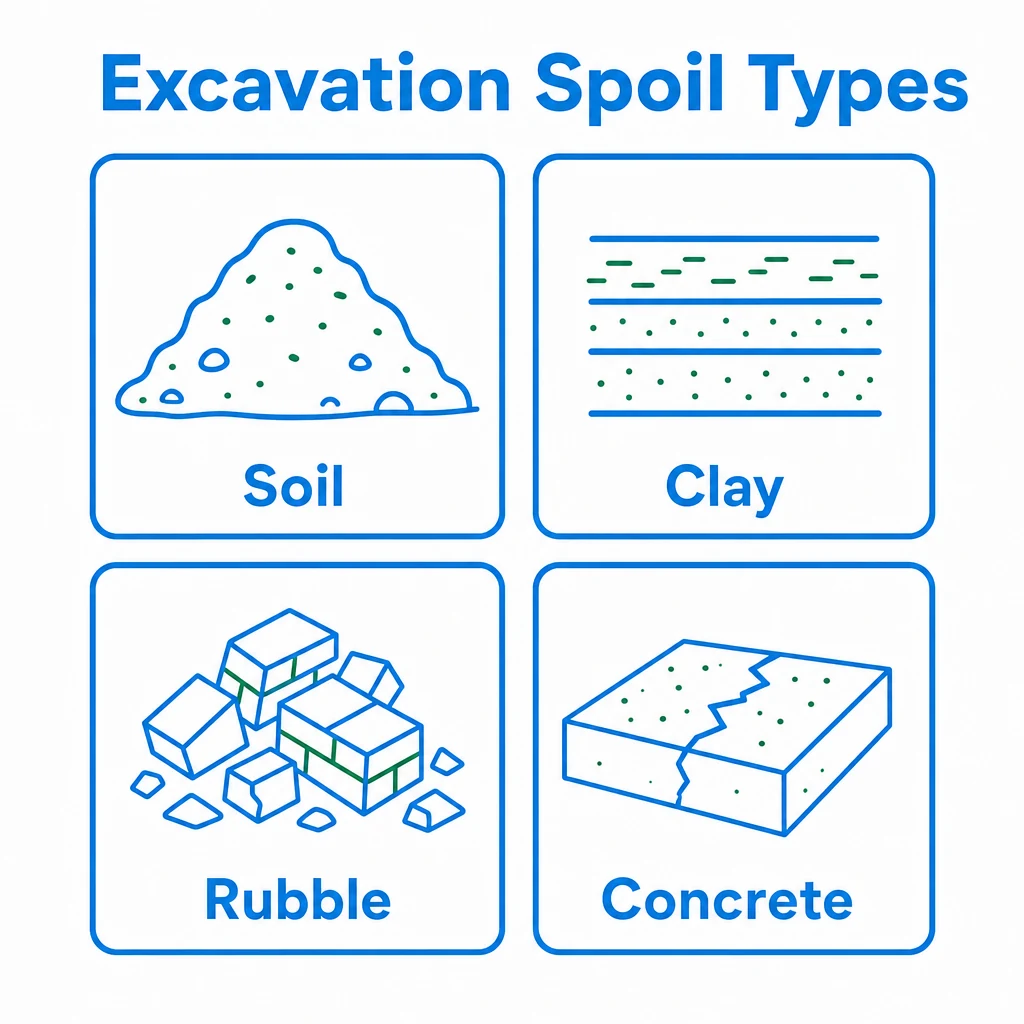
Excavation spoil is the material dug out of the ground during construction, landscaping, utilities work, drainage, demolition preparation or general groundwork. It may be clean soil, clay, subsoil, stones, concrete, brick, tarmac, mixed hardcore or wet material from deeper excavations.
Before removal, it helps to understand what type of spoil is on site. Clean inert spoil is treated differently from mixed construction waste, and any material that may be contaminated needs the right checks before collection. A good muckaway provider will ask sensible questions about where the spoil came from, what it contains and how accessible the pile is.
This early information helps match the right vehicle, loading method and disposal route. It also helps keep the site tidy, safe and ready for the next trade, rather than leaving material in the way of machines, deliveries or pedestrian access.
How spoil is loaded for muck away
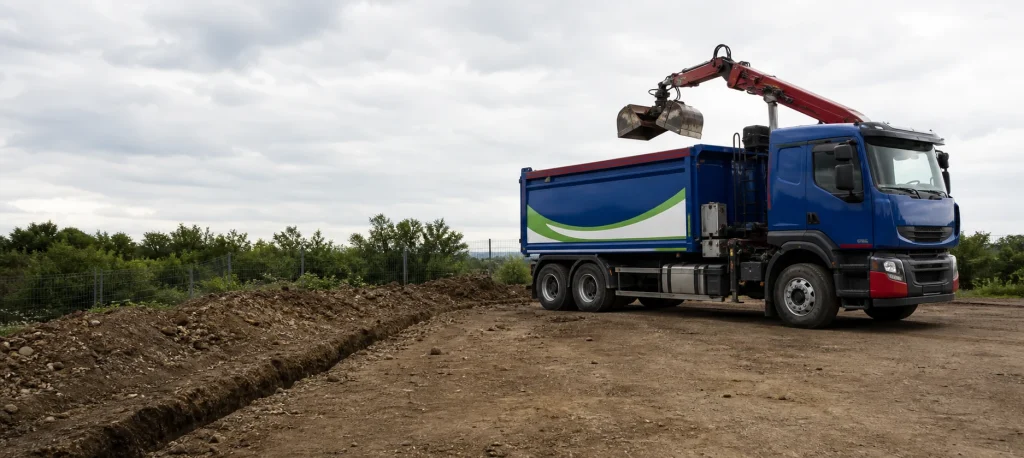
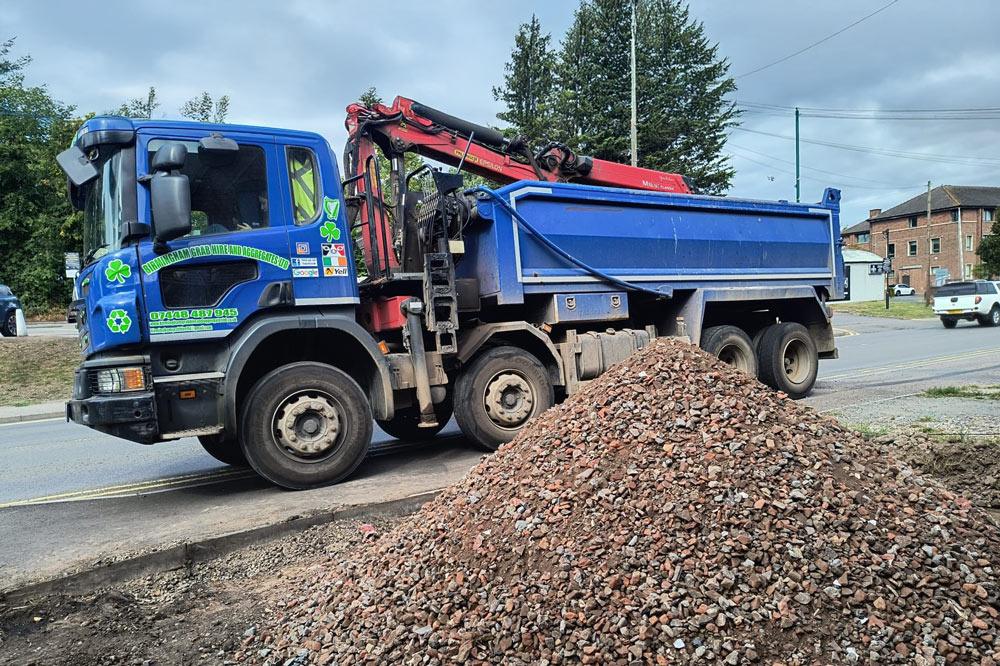
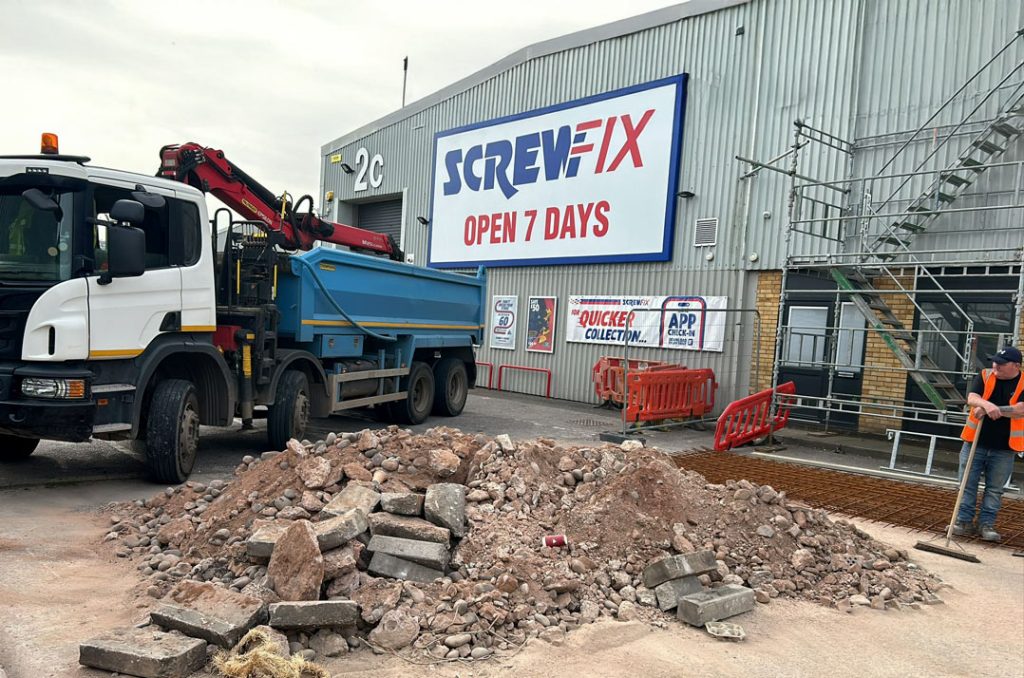
Most muck away jobs start with the spoil being placed in a clear, reachable stockpile. Where access allows, a grab lorry can load itself using its hydraulic grab arm, which is especially useful when spoil is piled near the roadside, on a driveway, beside an excavation or in a site compound.
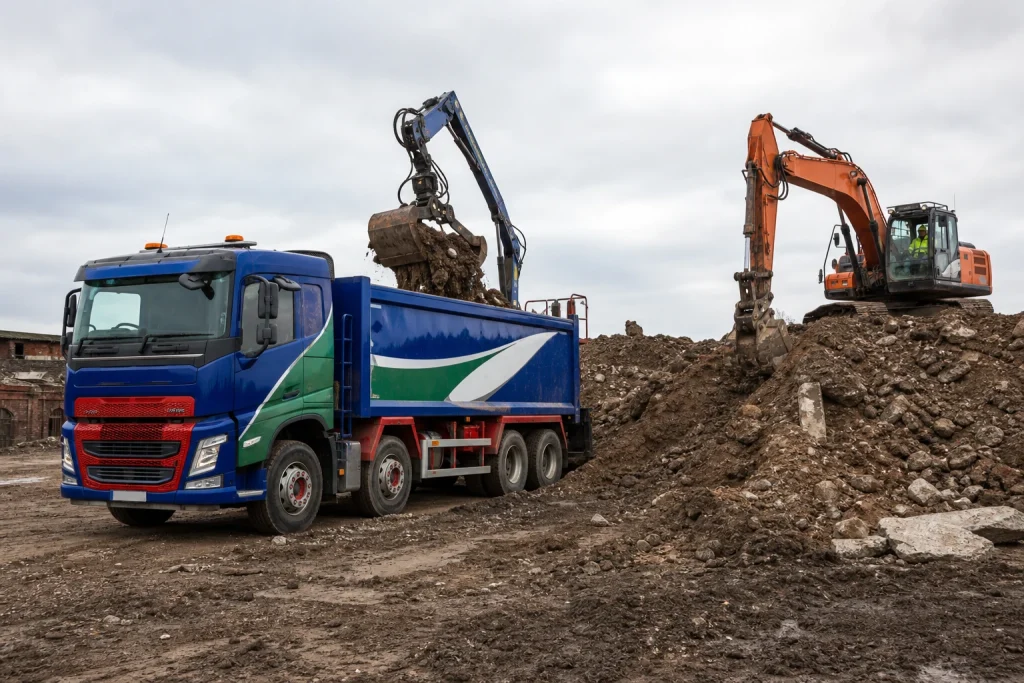
On larger or more active sites, excavators or wheel loaders may feed the lorry directly with soil, rubble or aggregates. Operators in high-visibility PPE may be working from the cab, guiding movements on the ground or managing the loading zone. The aim is to keep the process controlled, practical and efficient.
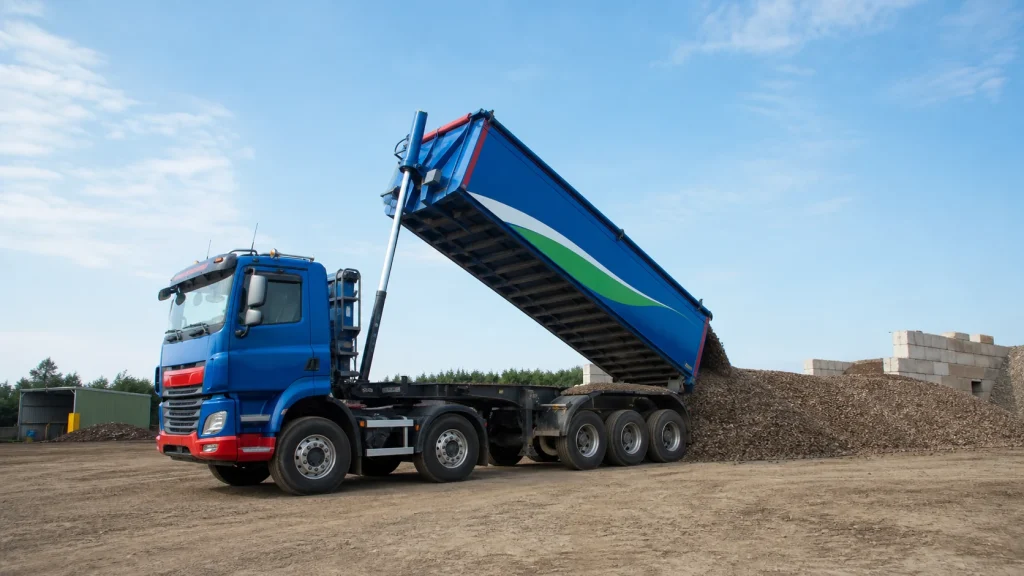
A tipper or grab lorry is a familiar sight on hard-working sites. The important point is not just the vehicle, but the planning behind it: safe access, room for stabilisers where needed, awareness of overhead cables, and a loading area that avoids blocking other work.
If your project needs spoil removed as part of a wider dig, it may also be worth arranging machine support through an experienced digger driver service, particularly where material needs shaping, grading or moving into a suitable collection point.
How material is checked and separated
Not all spoil should be treated as one mixed load. Where practical, separation improves handling and can support recycling. Soil, concrete, brick, hardcore, tarmac and general construction waste may each have different onward uses or disposal requirements.
Simple site segregation can make a big difference. For example, keeping clean hardcore separate from soil may allow it to be crushed and screened for reuse. Keeping timber, plastics, packaging and metals out of excavation spoil also helps prevent an otherwise useful load from becoming mixed waste.
Professional operators will usually make a visual assessment before and during loading. They look for obvious contamination, unsuitable materials, excessive general waste or items that should not be in the load. If anything unexpected is found, the right approach is to pause and decide the correct route rather than mixing it into the rest of the spoil.
For projects producing mixed rubble, packaging, timber or site debris as well as dug material, a dedicated construction waste collection route may be more suitable for that part of the job.
Where excavation spoil goes after collection
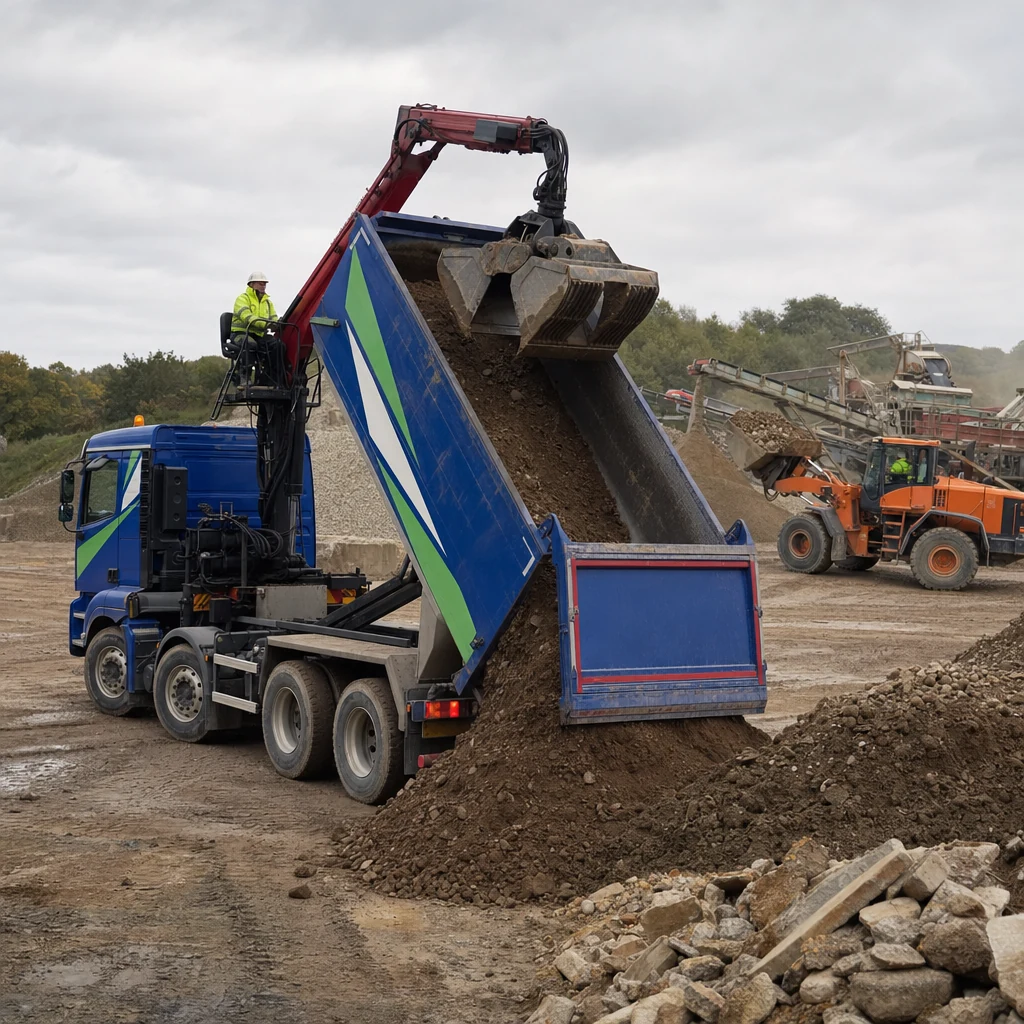
After loading, spoil is transported to a suitable facility, recycling yard, transfer station, quarry restoration site or licensed disposal location, depending on the material. Clean inert soil and hardcore often have more recovery options than mixed or contaminated waste.
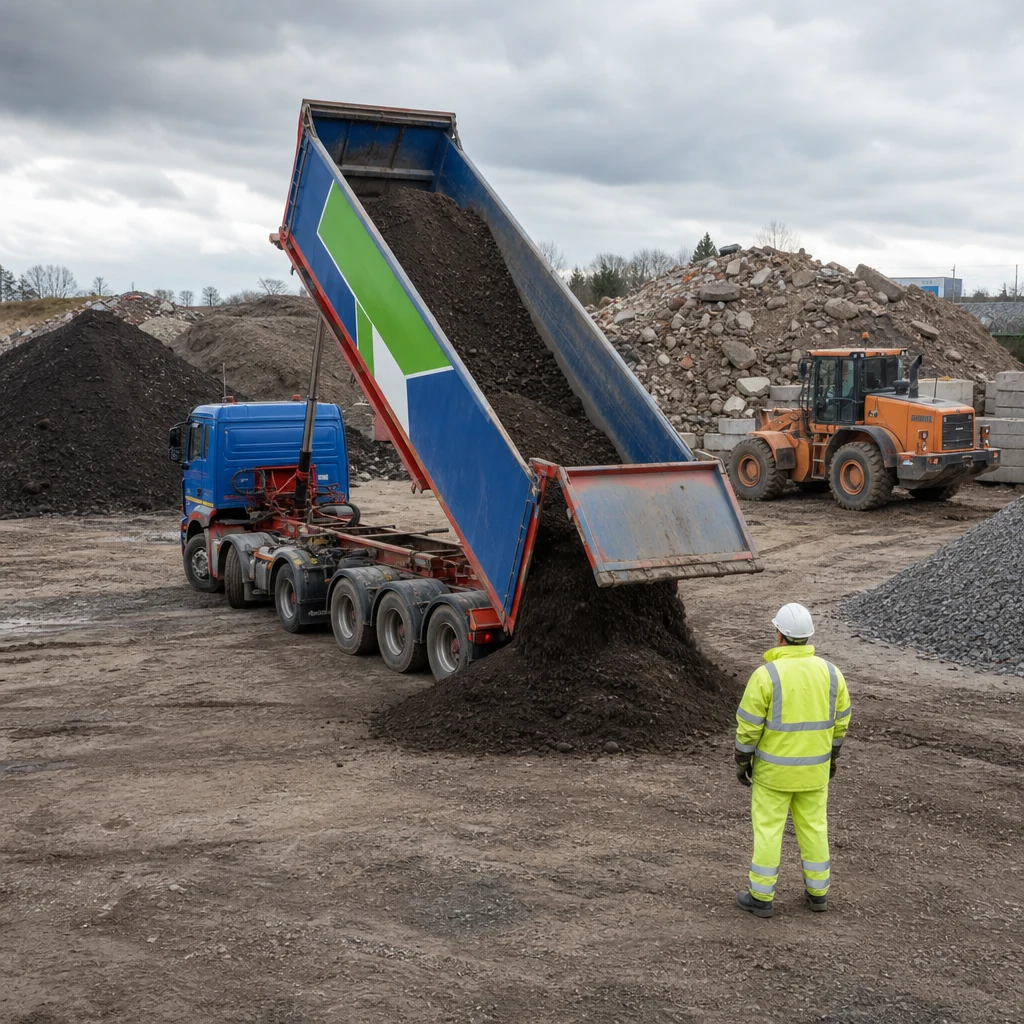
At a recycling yard, large piles of soil, rubble and aggregates are commonly processed on dirt ground using loaders, screeners and crushers. Hardcore may be crushed into usable recycled aggregate. Soil may be screened to remove oversize material. Rubble may be separated from unwanted waste where the facility is set up to do so.
Some recovered materials can return to construction use as sub-base, capping, fill or other aggregate products, depending on quality and specification. If you need replacement stone, type 1, sand or related materials after excavation, it can be efficient to coordinate removal with delivery from an aggregates supply service.
The key is traceability. Reputable muck away is not simply taking spoil out of sight; it is moving it to an appropriate destination and handling it in line with the material type.
What customers should prepare before collection
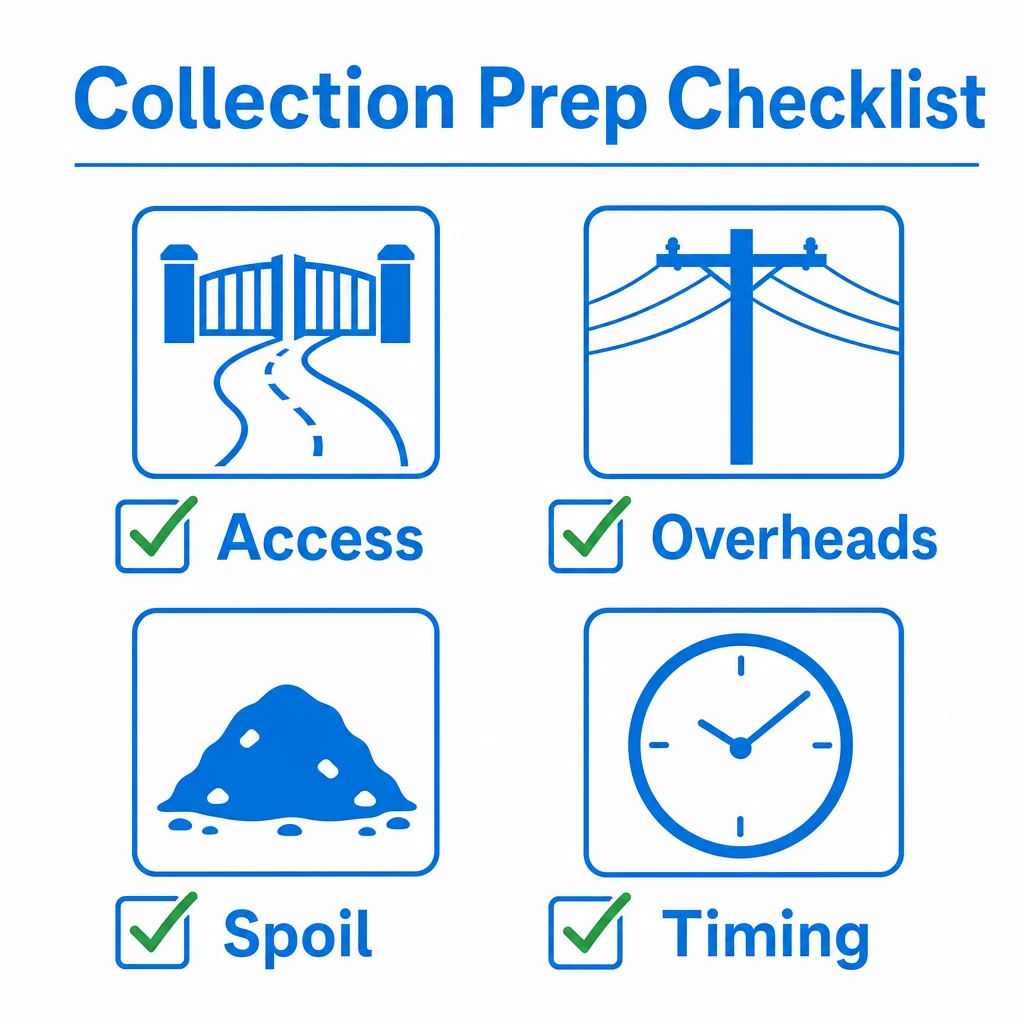
A smooth muck away collection is usually the result of a few practical checks. You do not need to manage the whole disposal process yourself, but clear information helps the operator plan correctly.
- Describe the material: say whether it is soil, clay, rubble, hardcore, tarmac, mixed waste or wet spoil.
- Estimate the volume: give a rough idea of pile size, excavation size or number of loads needed.
- Explain access: mention narrow entrances, soft ground, parked vehicles, low branches, overhead cables or restricted loading space.
- Keep loads separate where possible: avoid mixing clean soil with timber, plastics, metals or general rubbish.
- Make the pile reachable: grab lorries need to park safely and load without stretching beyond safe working limits.
If you are searching for muck away near me or comparing muckaway options, look for a provider that asks these questions upfront. For dedicated support, see the professional muck away service for site clearance and excavation spoil removal.
- Excavation spoil can include soil, clay, rubble, hardcore, tarmac and mixed dug material.
- Separating clean spoil from general waste can improve handling and recycling options.
- Grab lorries can self-load where access is suitable, while excavators or loaders help on larger sites.
- Responsible muck away sends material to an appropriate recycling, recovery or disposal route.
- Good preparation helps collections run smoothly and keeps the site ready for the next stage.
Frequently asked questions
Can all excavation spoil go in the same load?
Not always. Clean soil, hardcore, tarmac and mixed construction waste may need different handling. Keeping materials separate where practical is usually the best approach.
Do I need a machine on site to load the spoil?
Often, no. A grab lorry can self-load if the pile is within reach and access is suitable. Larger sites may use an excavator or loader to feed vehicles more efficiently.
What happens if contamination is suspected?
The material should be assessed before it is moved through the correct route. Professional operators will advise if further checks or a different disposal method are needed.
Is muck away suitable for small projects?
Yes. It can suit domestic digs, landscaping, driveway preparation and utility trenches, as well as larger commercial groundwork and clearance projects.
Need spoil cleared from site?
If you have excavation spoil, rubble or mixed muck ready to move, arrange a clear, practical collection with a professional muck away team.